Summer Solstice on Meayll Hill
20.06.2026
For a small island of just over two hundred square miles, the Isle of Man is rich in history and myth. Long before the Celtic and Viking Kings, who had laid the foundation for independent governance, the ancient settlers had lived here with a knowledge of the outer world, thriving from the land and trading with those across the Irish sea in all directions. Like on mainland UK, evidence of this has come from archeological digs where axe heads from North Wales and Cumbria have been found.
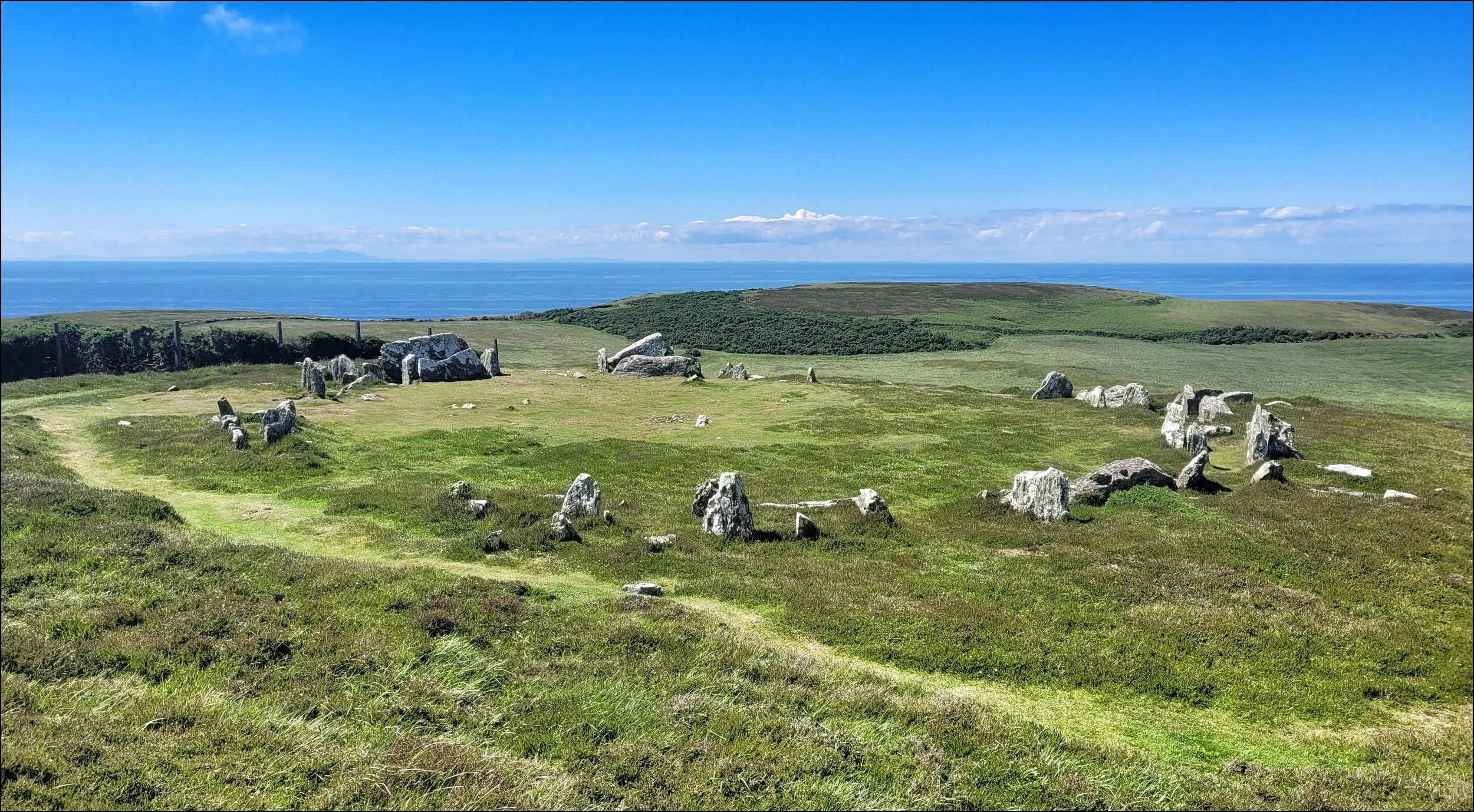
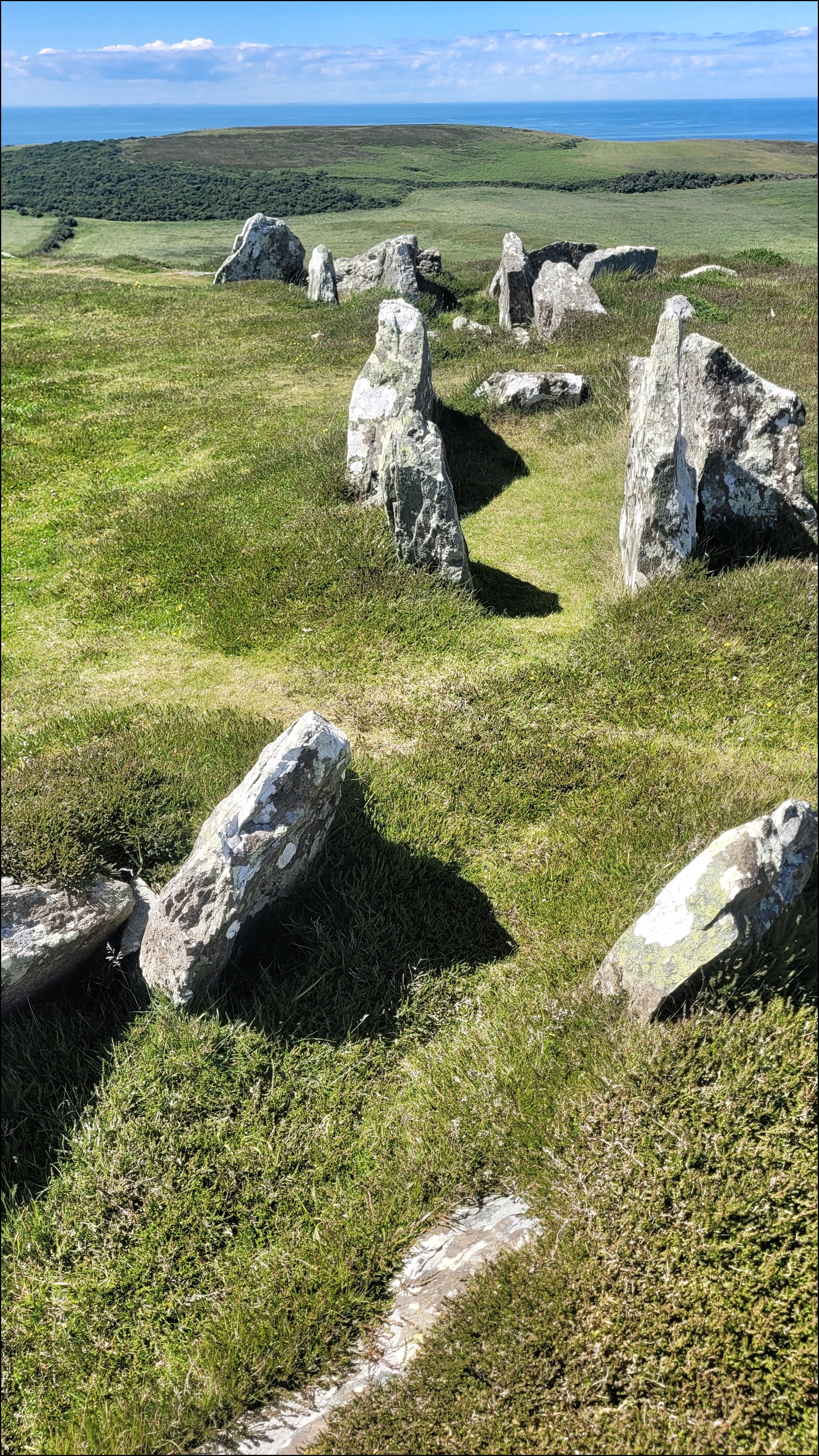
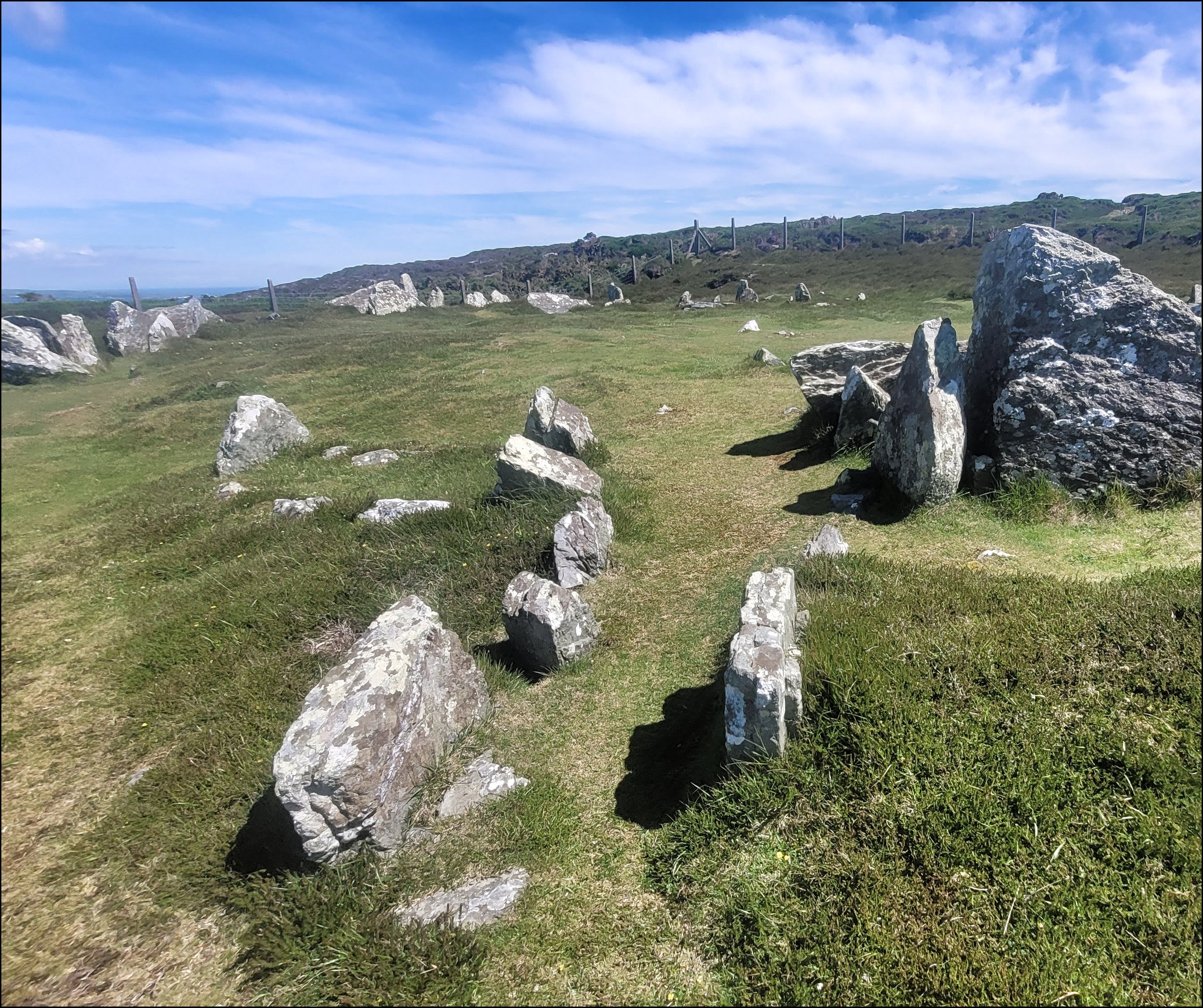
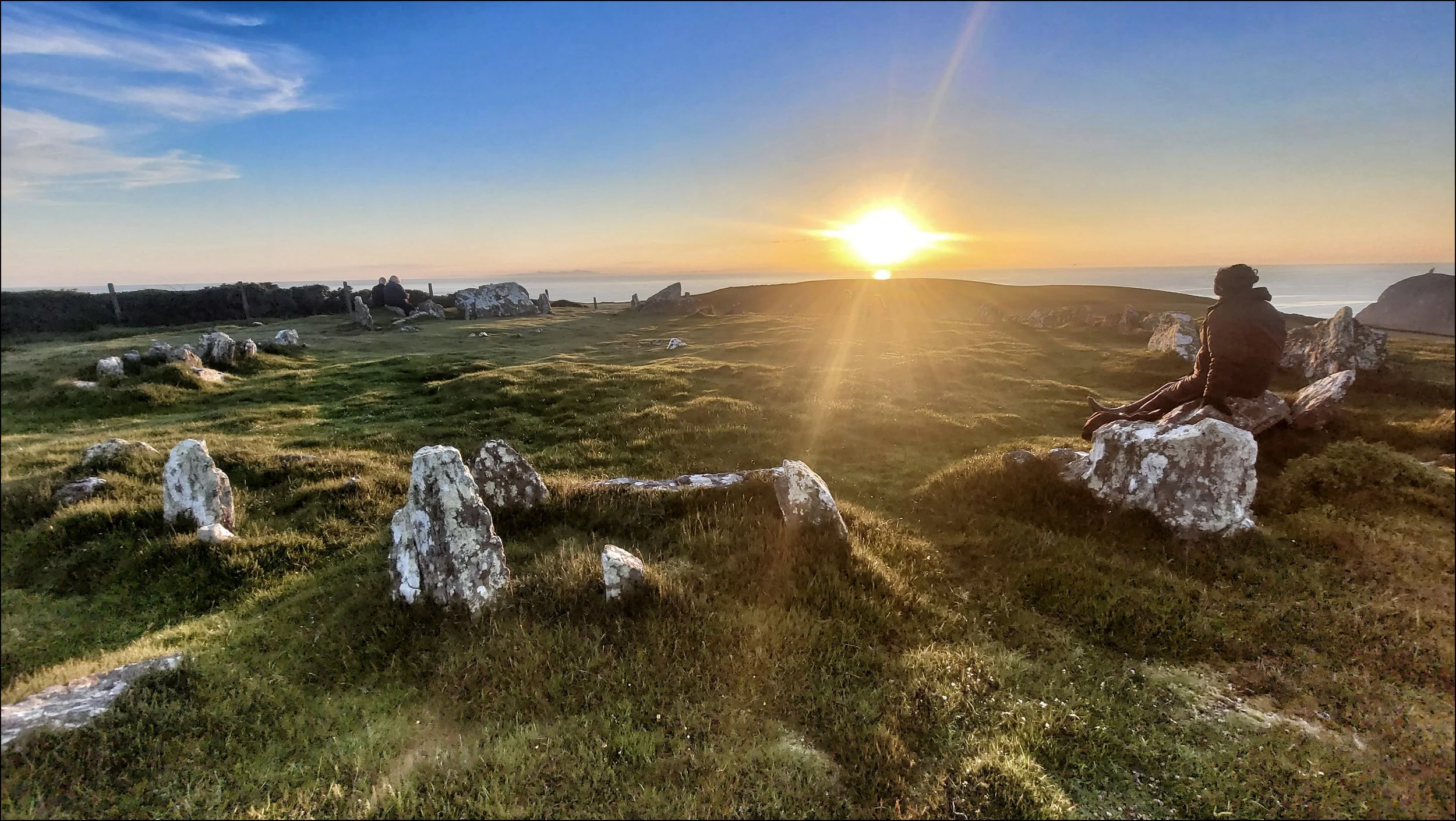
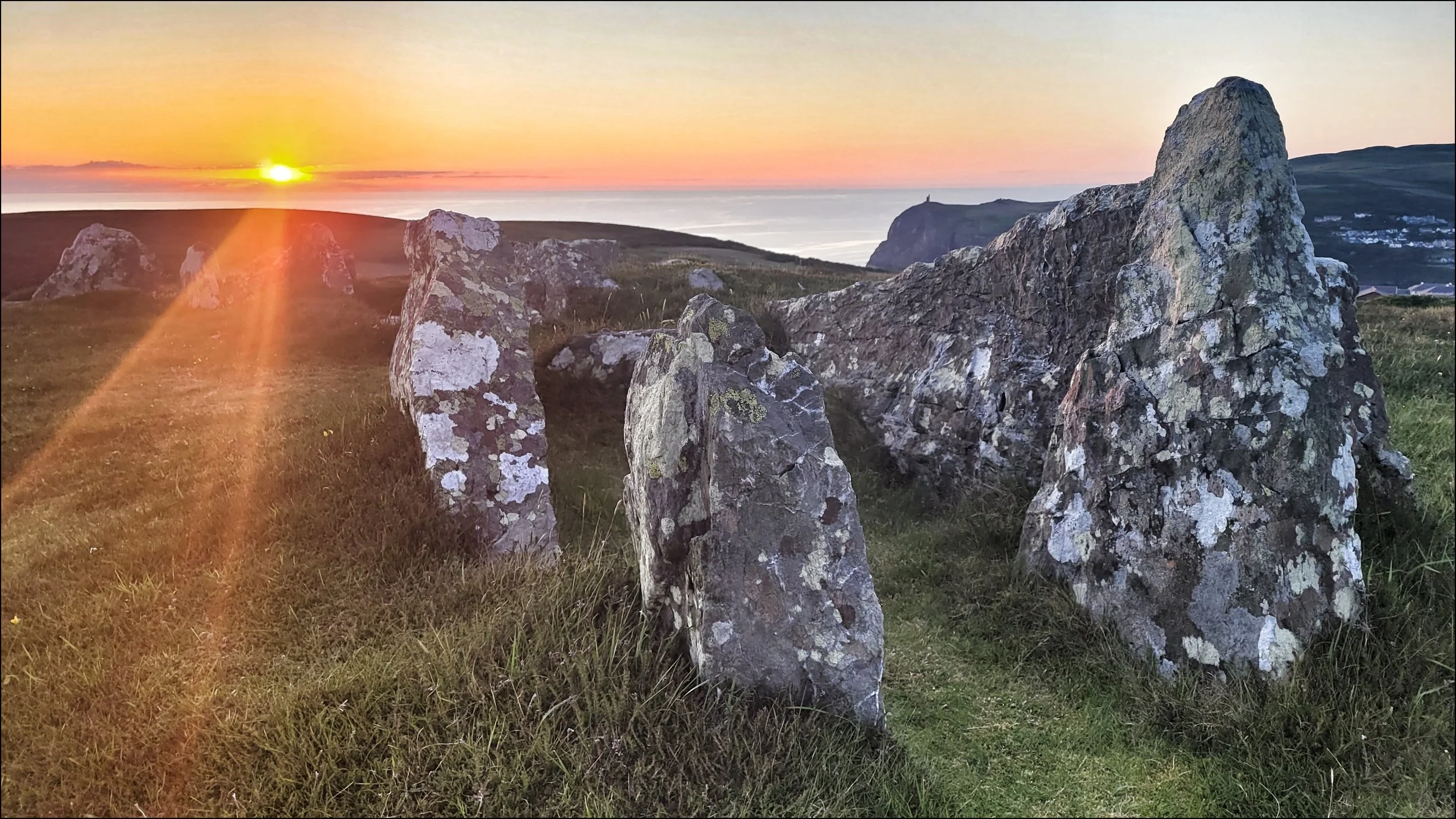
My first encounter with Neolithic Isle of Man was a very unique burial chamber up on Meayll Hill at the south west tip of the Island. While most of the chambers here are of a trapezoidal Clyde style with linear passage graves, here at Meayll Hill the site is circular with twelve Cists arranged in pairs around the perimeter. From a small pull in spot on Darragh Lane, a short path brought me up to the circle nestled in the side of the hill. With views of the sea below, I had seen no better backdrop anywhere, with Bradda Head and the Port Erin Bay off to the north and north west and the Calf of Man to the south west.
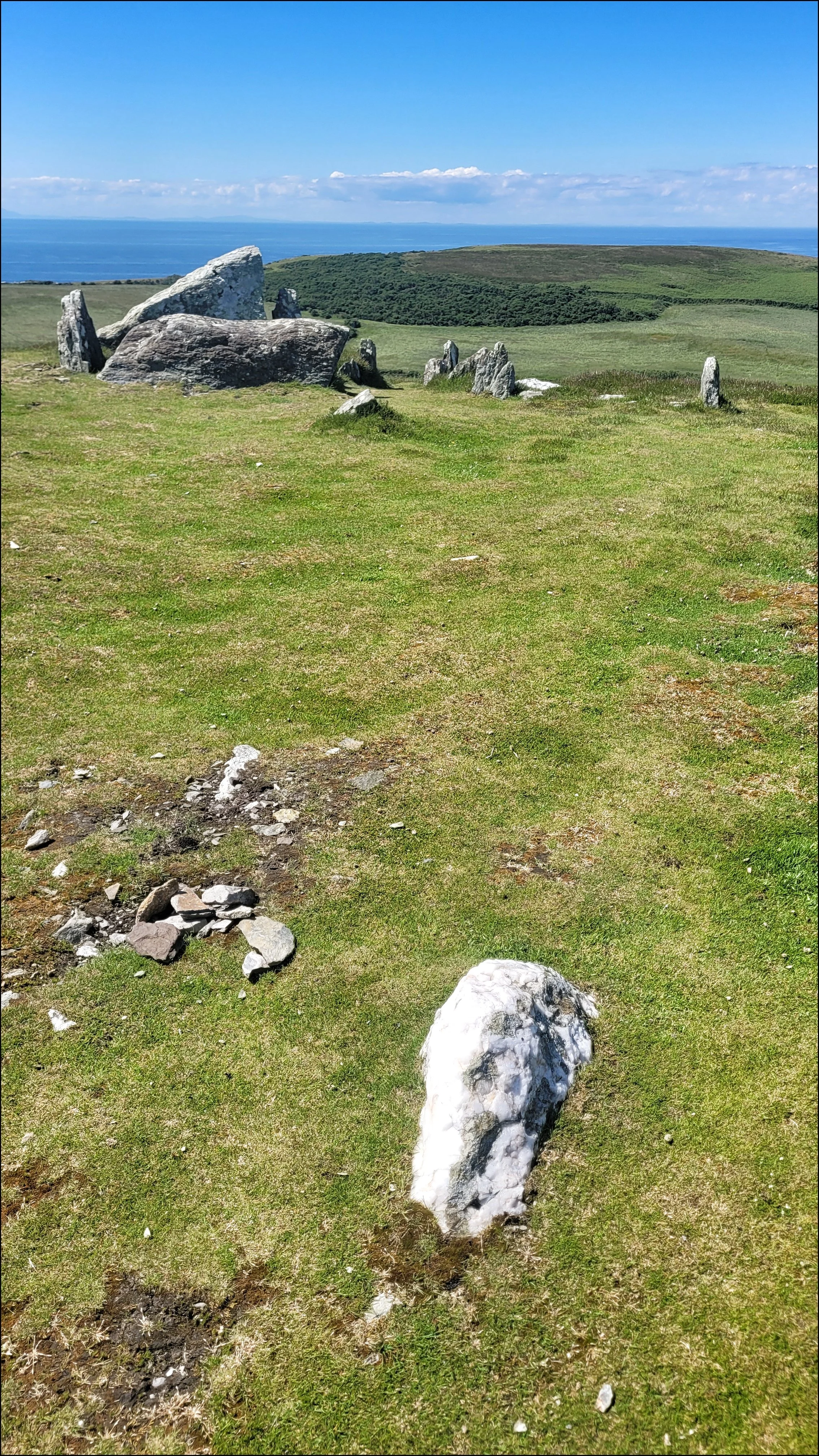
Cairn circles within a landscape conjure strong feelings and their energies are very often easier to detect compared to other chamber layouts. I was immediately drawn to the centre six metres in, where half buried at it’s heart was a bright white quartz stone about forty centimetres across. It seemed a perfect and poetic placement to provide harmony and protection for those who had been interred here, but whether this stone was found here is questionable as there had been a central chamber at one time found under rubble.
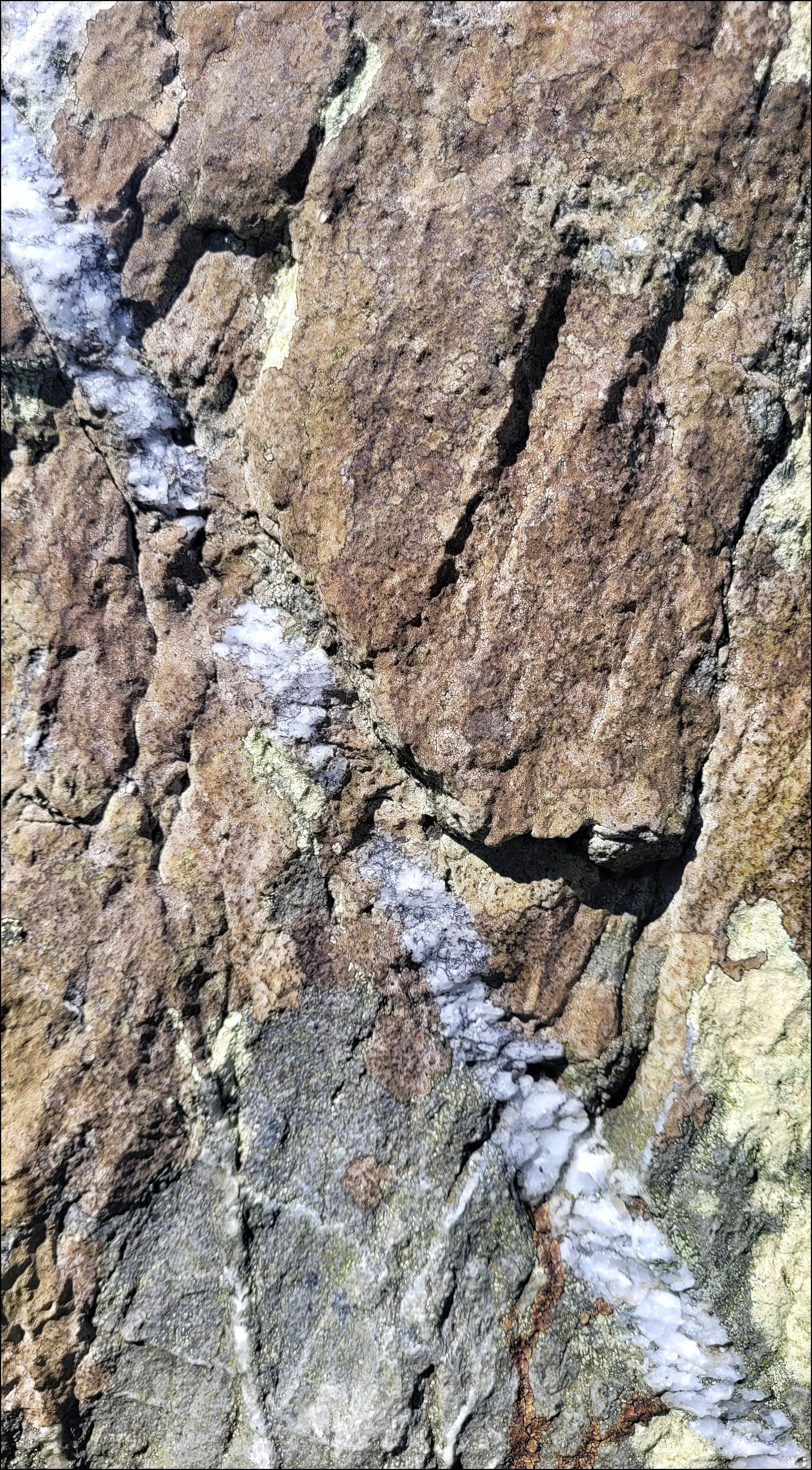
I followed the edge of the curbstone mound to find each of the pairs of rectangular Cists, walled with slender Manx Slate slabs but with no capstones. Some of them had narrow veins of quartz running through them catching the light from the descending sun. Out to the west beyond the glinting sea was the faint profile of the Mountains of Mourne on the Irish coast.
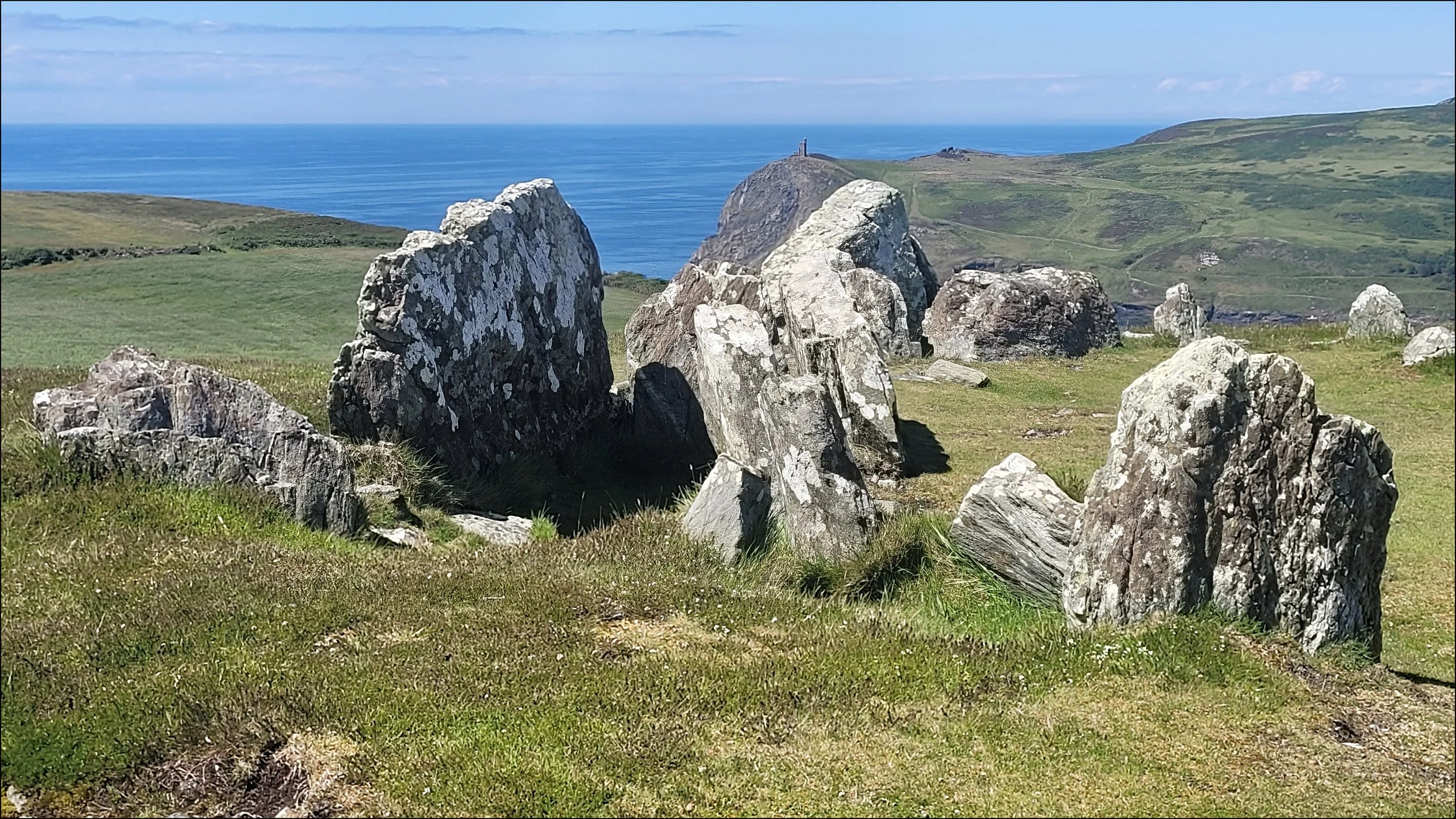
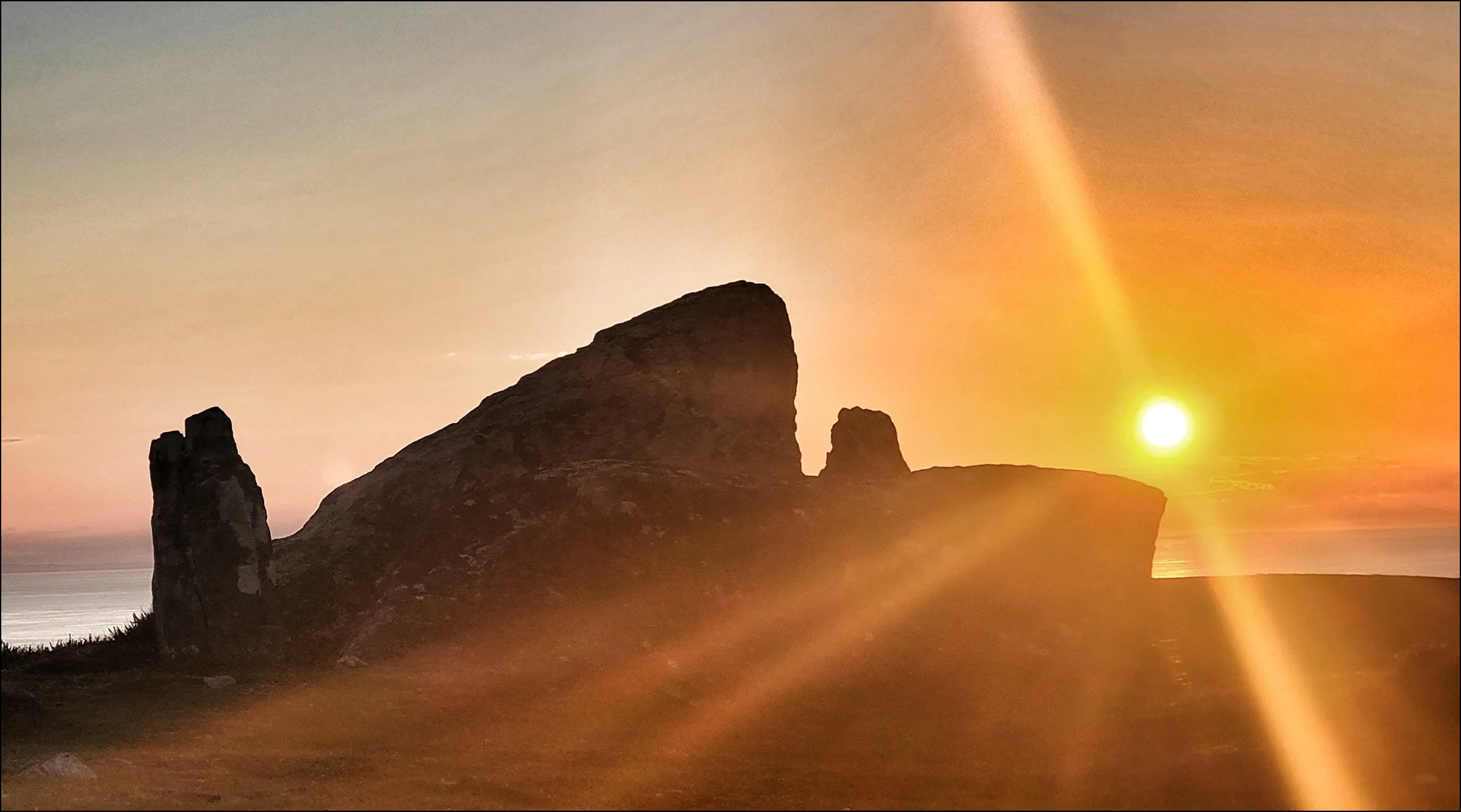
A little later on that evening a few others arrived at the circle to view a perfect summer solstice sunset. There was no contest for me. I knew I would rather be here than amongst the multitude at Stonehenge. We had chosen this place for it’s ambience and serenity, where a potent moment of reflection could be enjoyed before the demise of the sun. We had tread lightly at this wonderful place and left no trace as in the half light, we made our way down Meayll Hill.
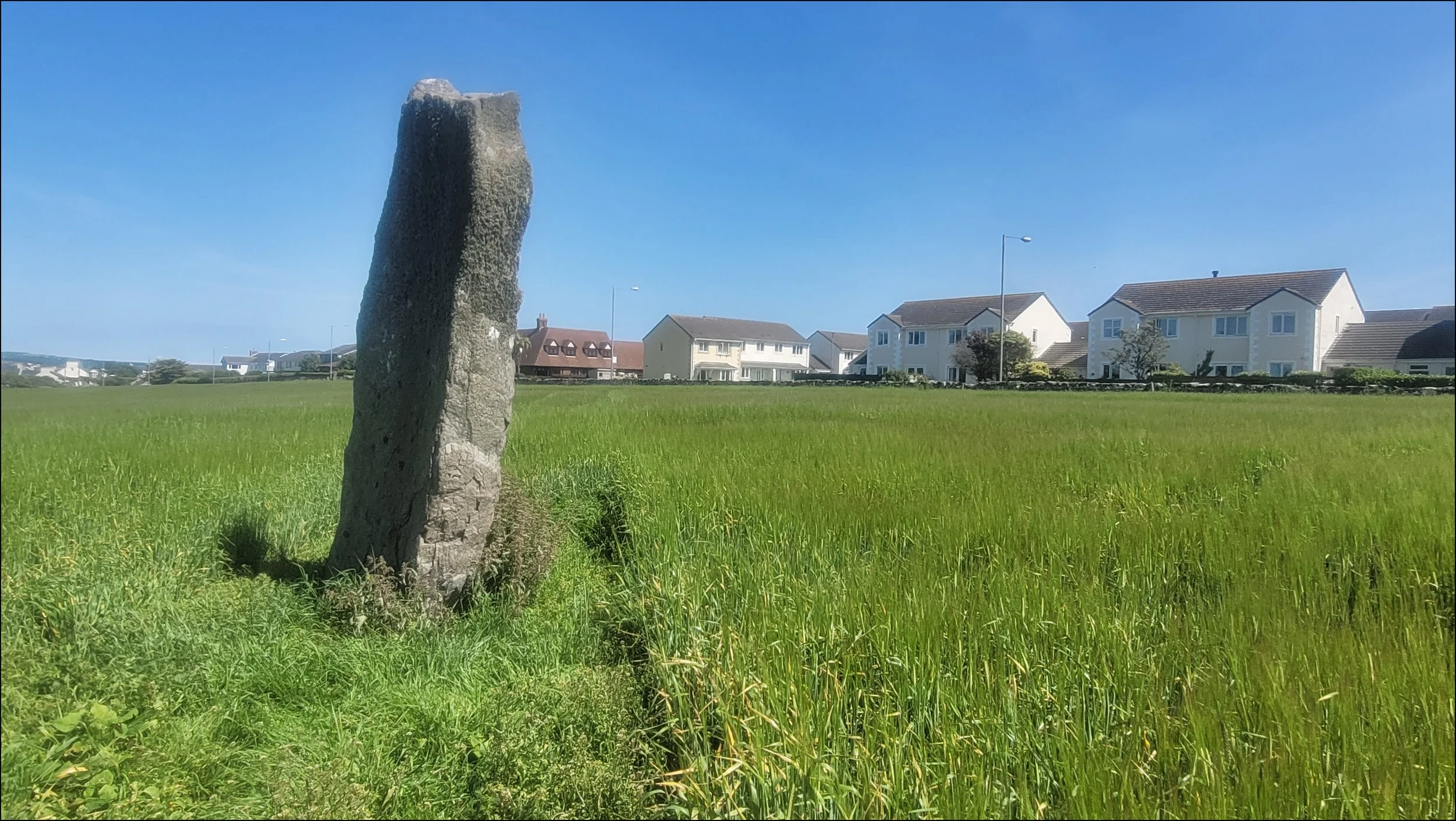
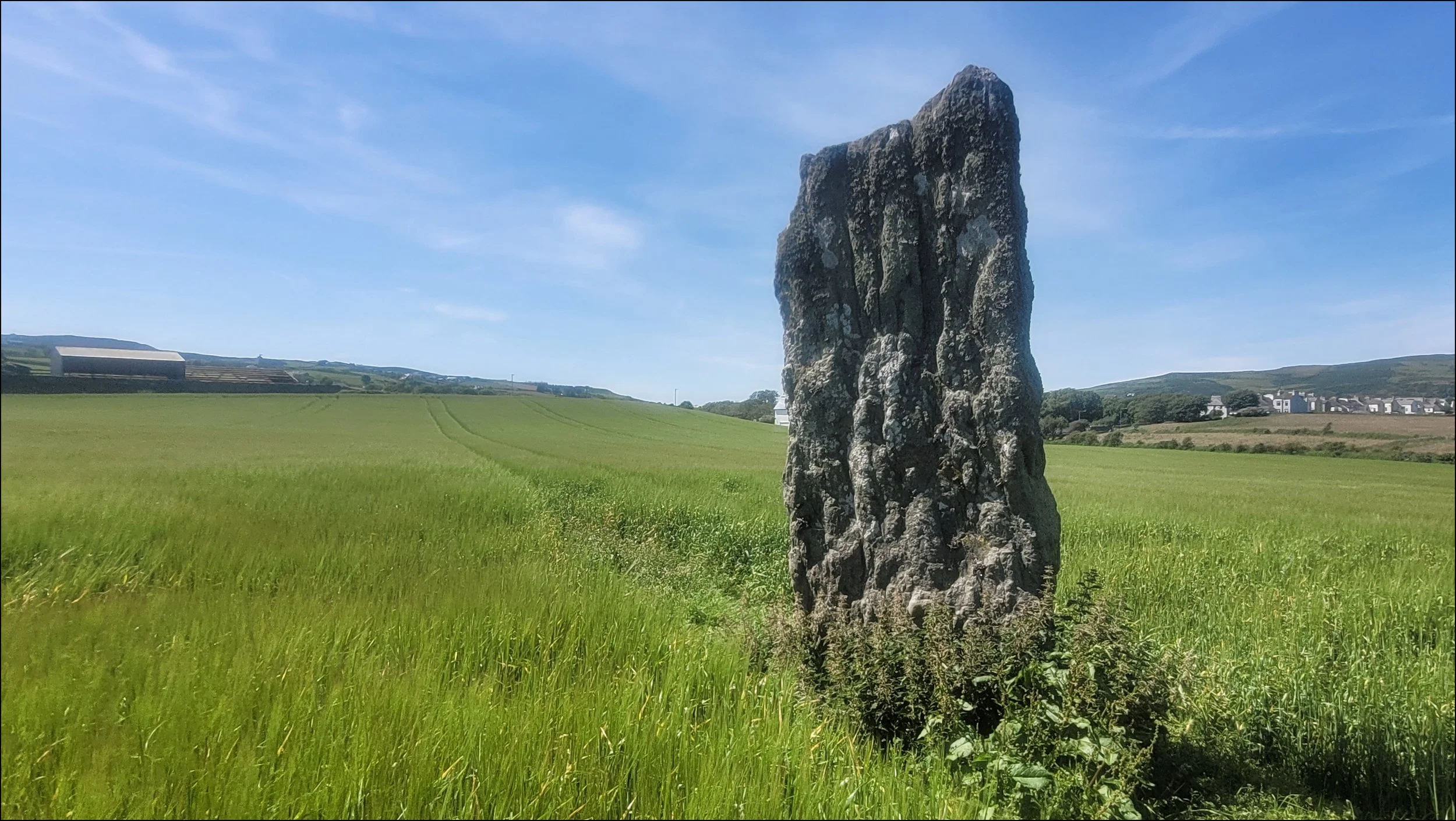
After an equally impressive sunrise over Snaefell the next morning, the Isle of Man’s tallest standing stone was next on the agenda, just outside Port St Mary. Access to it was tricky as it stood isolated in field of barley. I followed the headland from a gap in the drystone wall and took another that doubled back to the ten foot high Giant’s Quoiting Stone. From the meagre space around it I had the feeling this stone may have been a farming hinderance, as only a narrow band of high nettles separated the stone’s base from the crop. It leant defiantly seaward with it’s broad side facing nearby houses. From the stones concave chamfered top, erosion grooves ran down it’s full length, whilst the opposite side was much smoother. As with many a tall standing stone in coastal areas the upper half was coated in thick grey green fruticose lichen.