In the Shadows of Pomp and Ceremony
23.06.2026
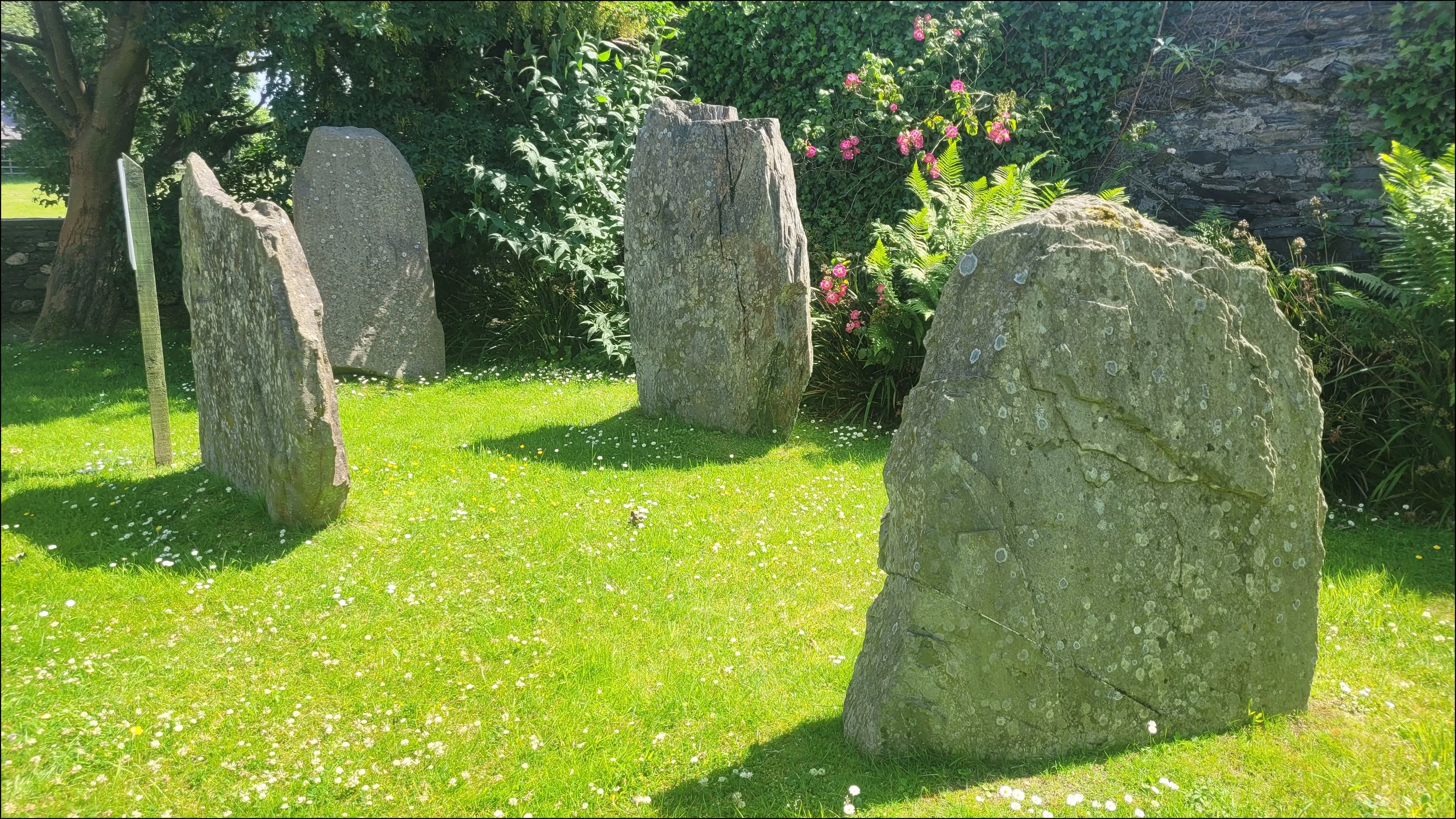
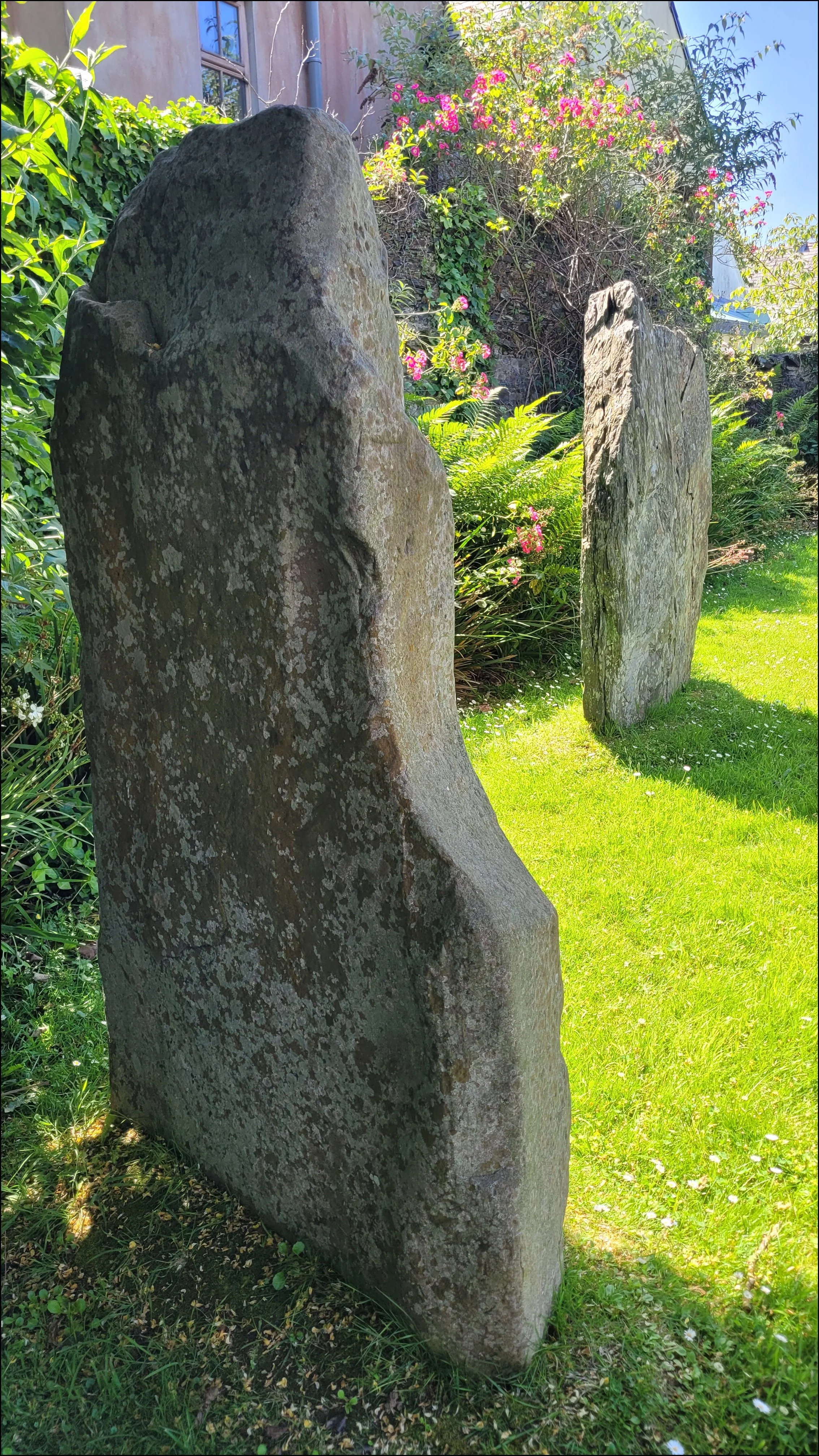
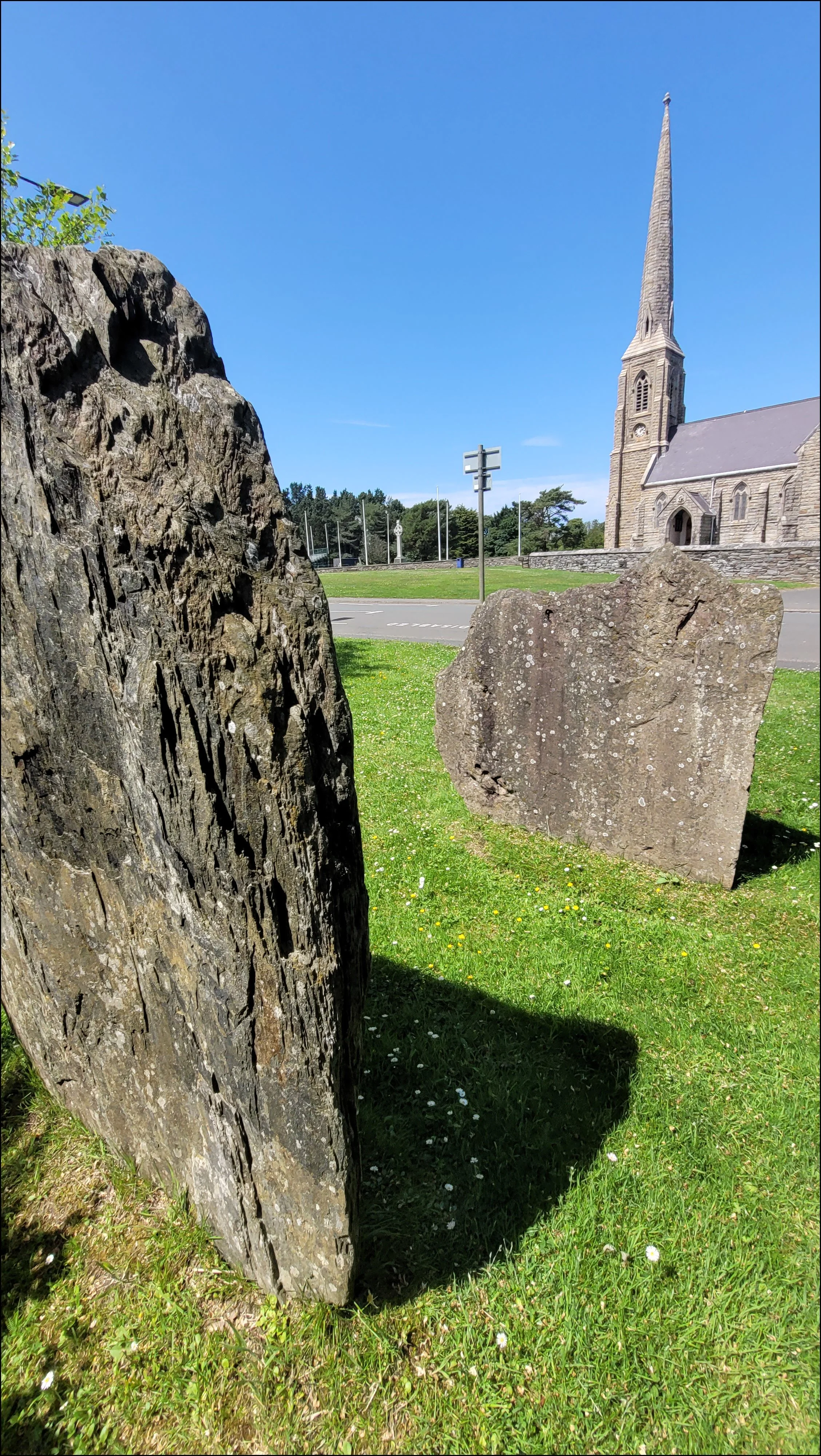
Inland from Peel on the west coast is the village of St John’s, best known as the ceremonial ceremonial centre of Manx culture. Adjacent to St John’s Church is Tynwald Hill, a man made mound where every year on 5th July the island’s parliament meet to ratify the new laws of the land. Discreetly sited across the A1 under a canopy of trees is an ancient tomb known as the Ballaharra Stones, only discovered as recently as 1971.
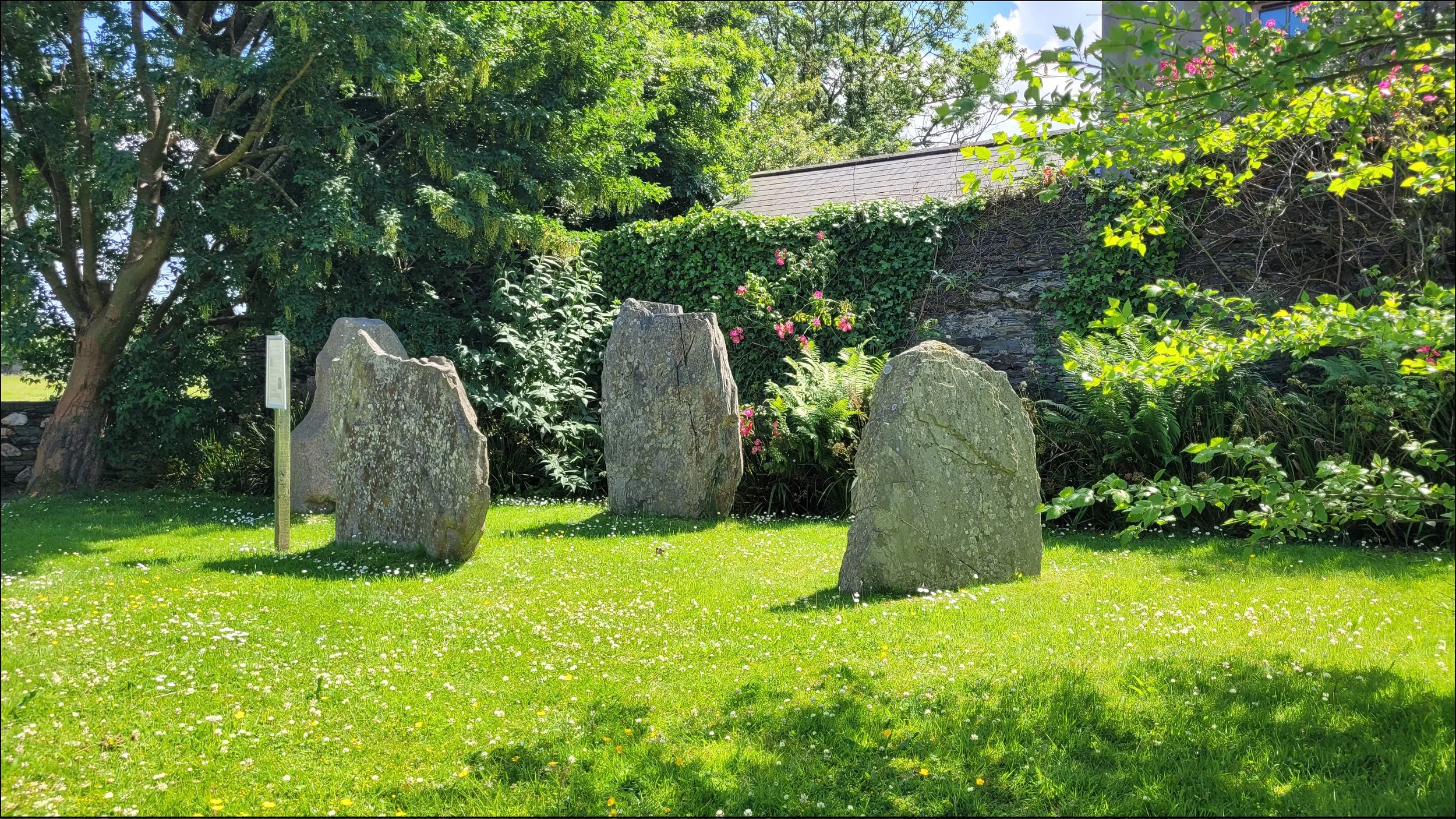
Like at Meayll Hill, flint and pottery pieces were found including a fine Bronze Age urn. The stones are not in their original position and were re erected and arranged in a retangular fashion by local archeologist Sheila Cregeen. My first and lasting impression was one of disappointment, at an arrangement more akin to modern day public art. At the time of discovery six stones were found, but two had been crushed beyond repair. However, individually the remaining four large slender slabs were quite impressive, being of Manx Group slate mudstone.
There was another burial chamber in the central region of the island only a few miles north west and one that couldn’t have been more different. It could only be accessed up an overgrown farm track, so after a tricky park up next to some field gates I walked up the track in the hope of pinpointing it.
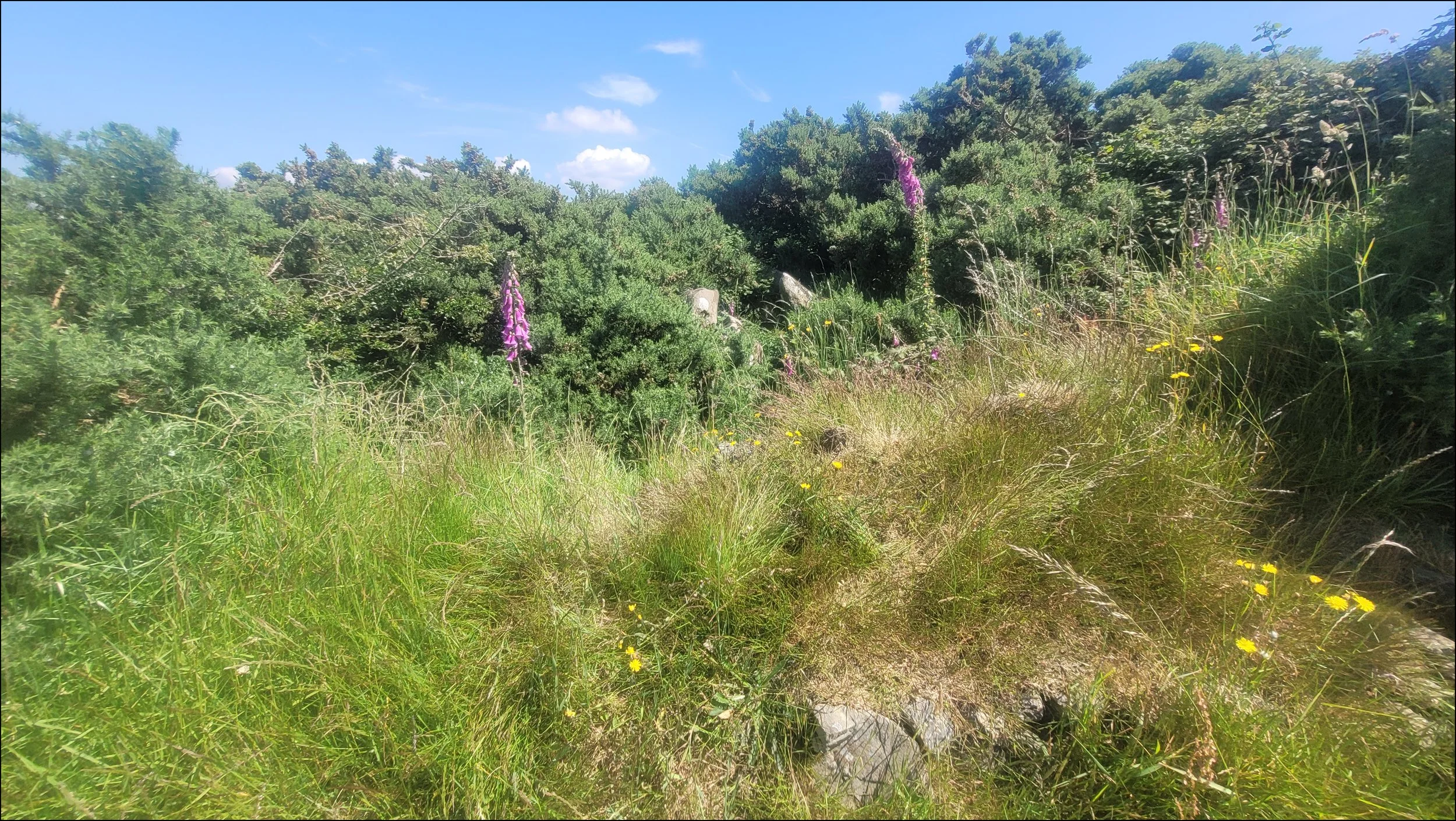
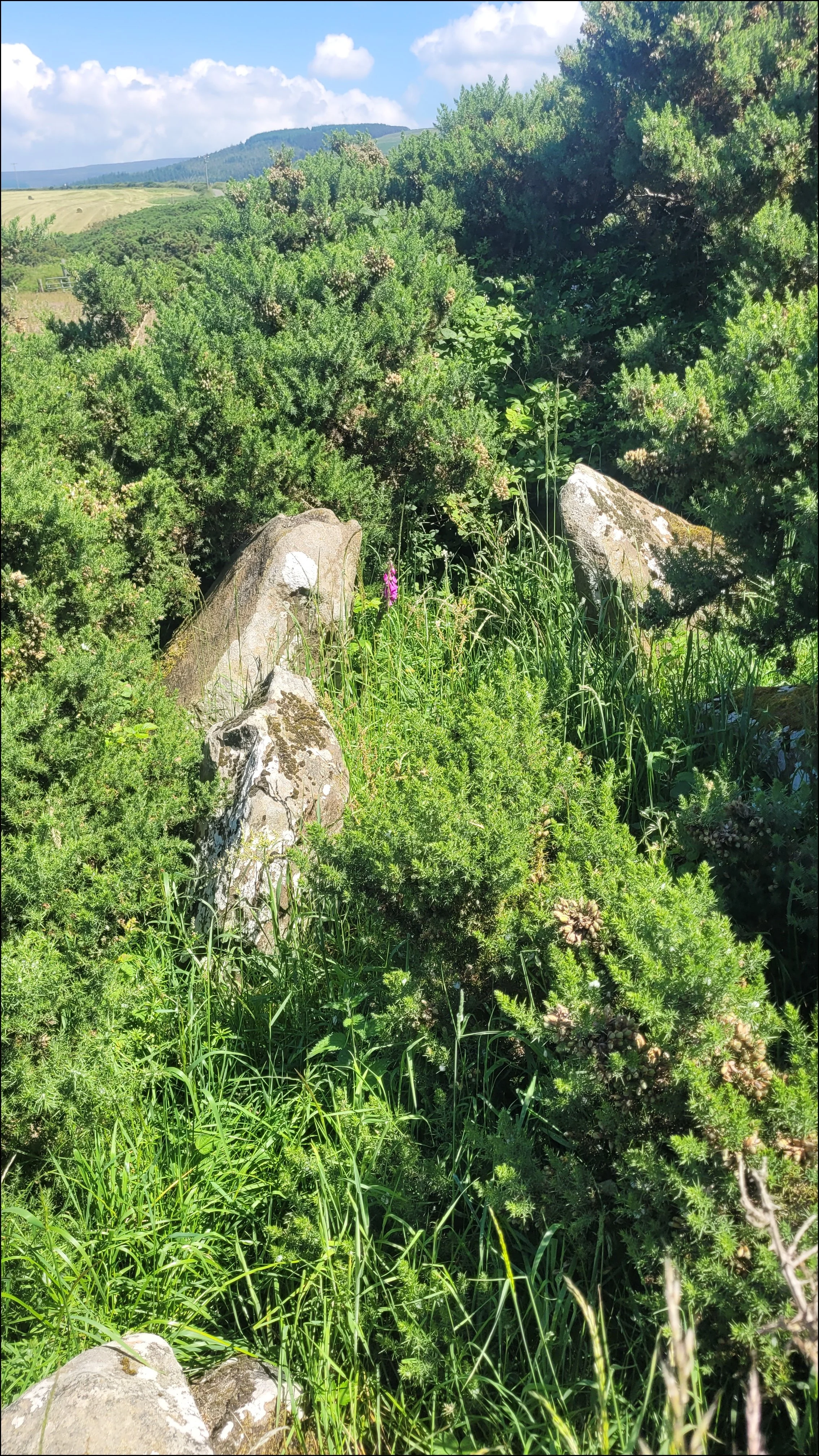
This was one of two cairns in the area with mythological attributions. Unlike one in St John’s which was now part of a wall, this Giant’s Grave was on private land, and from what I’d read, was untampered with. I reached the location indicated by OS but there was no way I could get into the field beyond a high hedge. Further up the track the hedge dropped in height and I was able to hop over a barbed wire fence into a sloping field of long grass and thistles. There was no sign of any stones until I glanced right to the corner of the field and spotted a speckled grey object poking up from within a tangled mass of gorse. Photographs I’d seen showed the cairn to be exposed in low lying grass so this was a surprise.
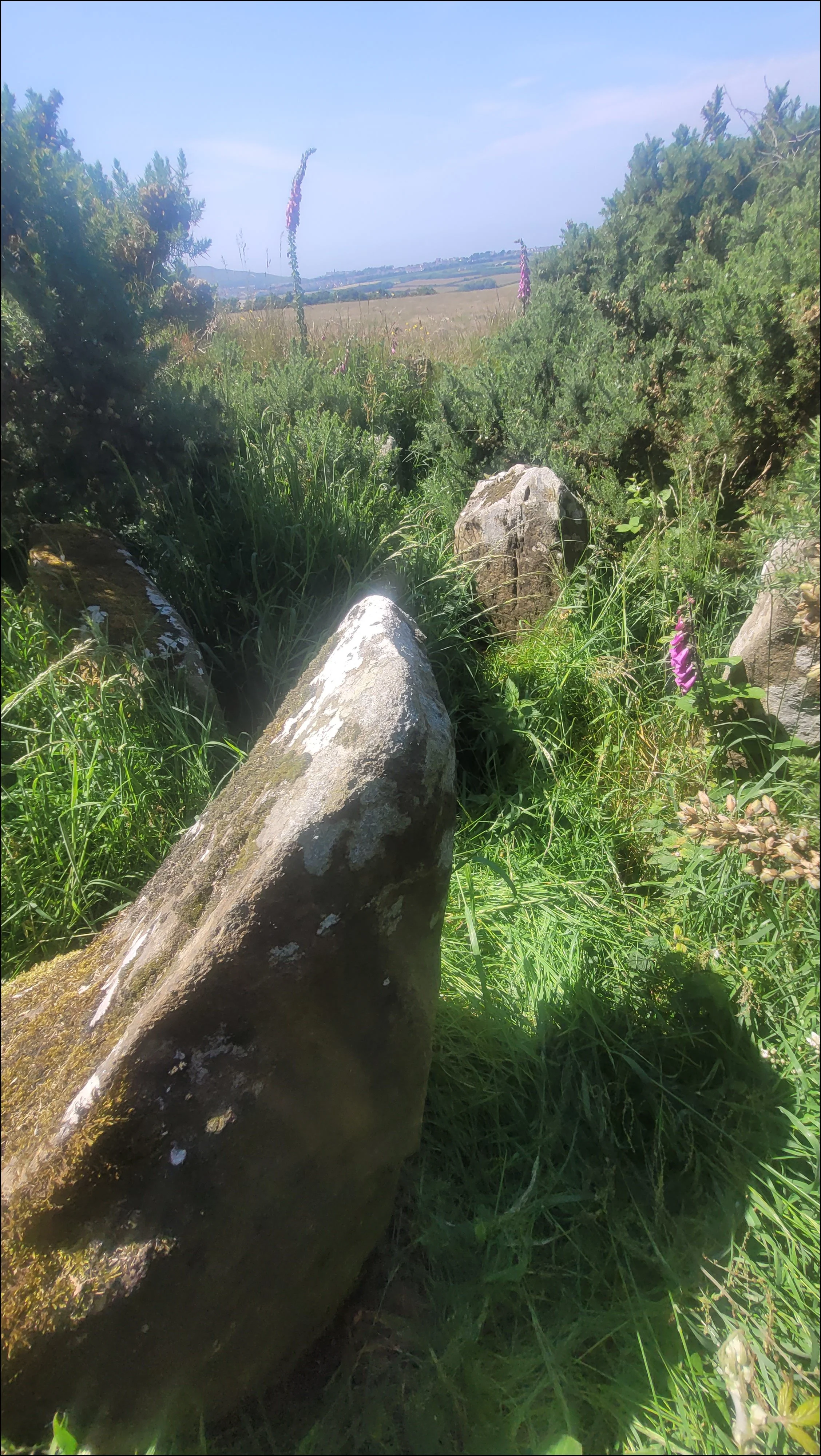
I made my way over and could see some semblance of a mound with two rows of stones irregularly angled, flanked by two towering foxgloves. It was fairly impenetrable, unlike the neat manicured setting of the Ballaharra stones. It was like the gorse was protecting the site from intruders, but I ventured in amongst the stones as best I could to get some idea of their shape and size. I had read the length of the cairn was somewhere in the region of eight metres, but it looked much smaller. This was clearly not the right time of year to view this monument. A kind of reverse hibernation was happening here where the stones were lying covered up in summer, out of sight to those not so determined to find them.