Around Connemara’s Holy Mountain
20-21.07.2026
Conveniently, many of Irelands west coast Neolithic and Bronze Age sites are positioned close by the route of the Wild Atlantic Way, and in five weeks I plan to cover the section from Westport in County Mayo down to Cork.
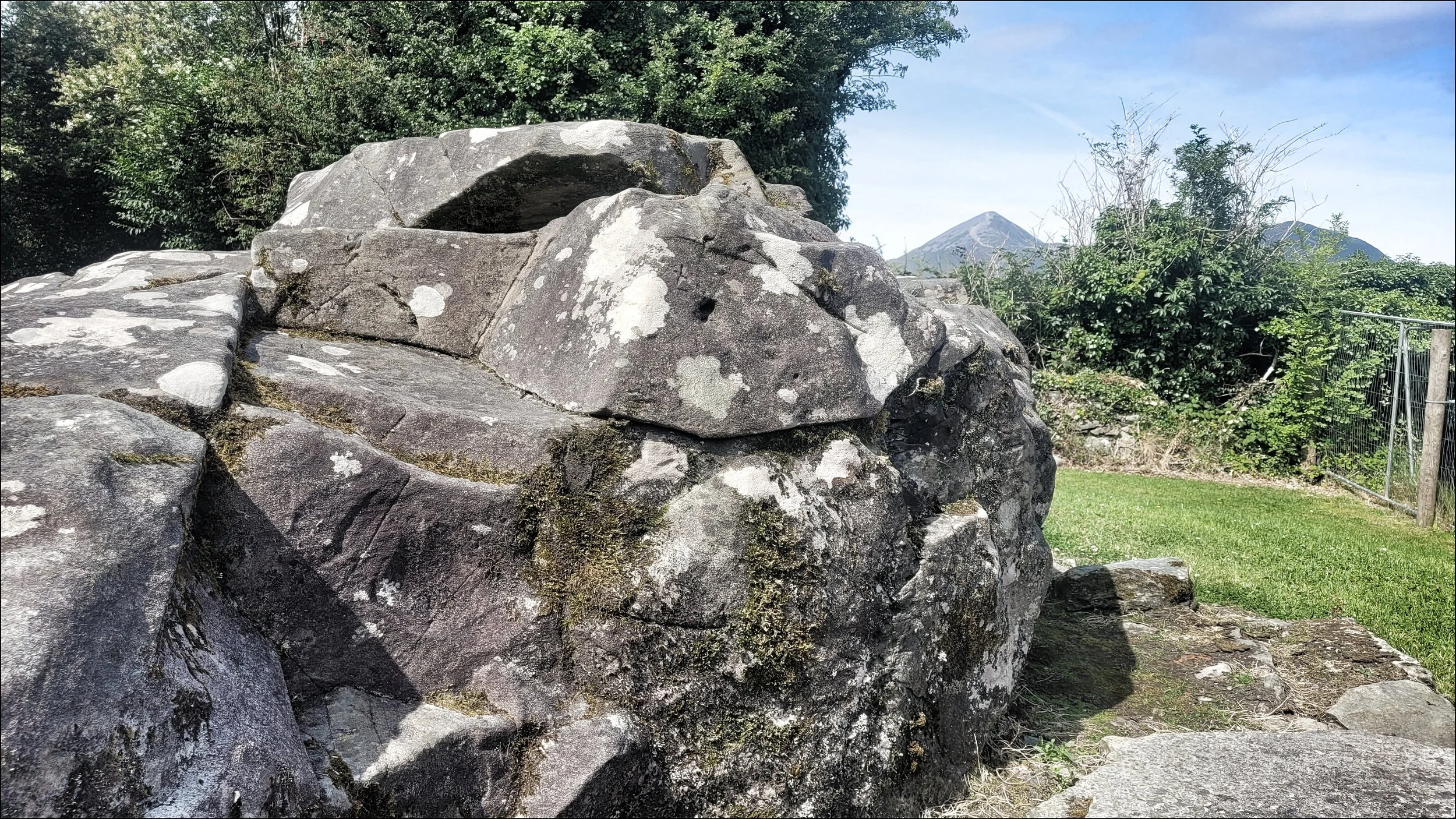
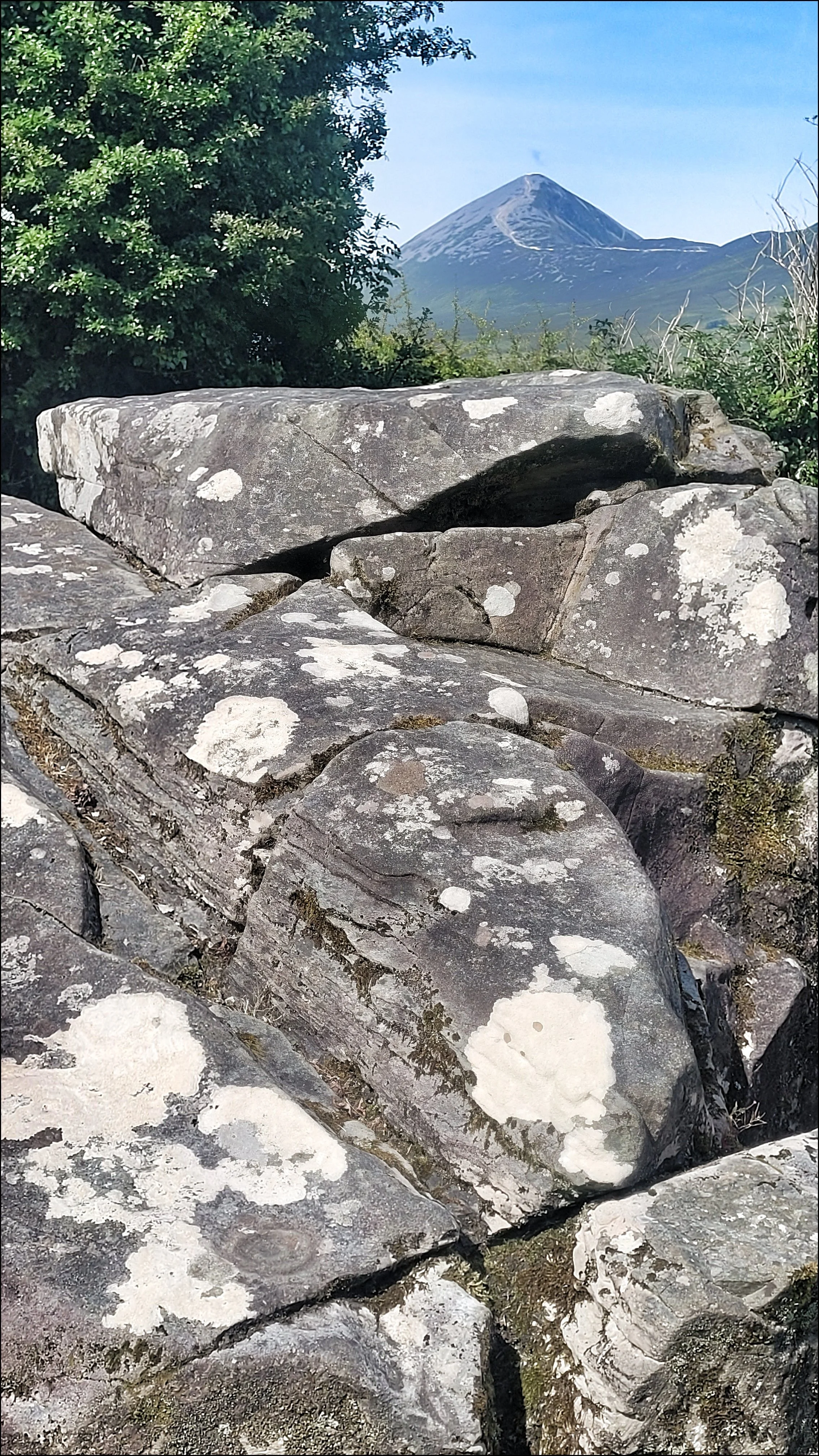
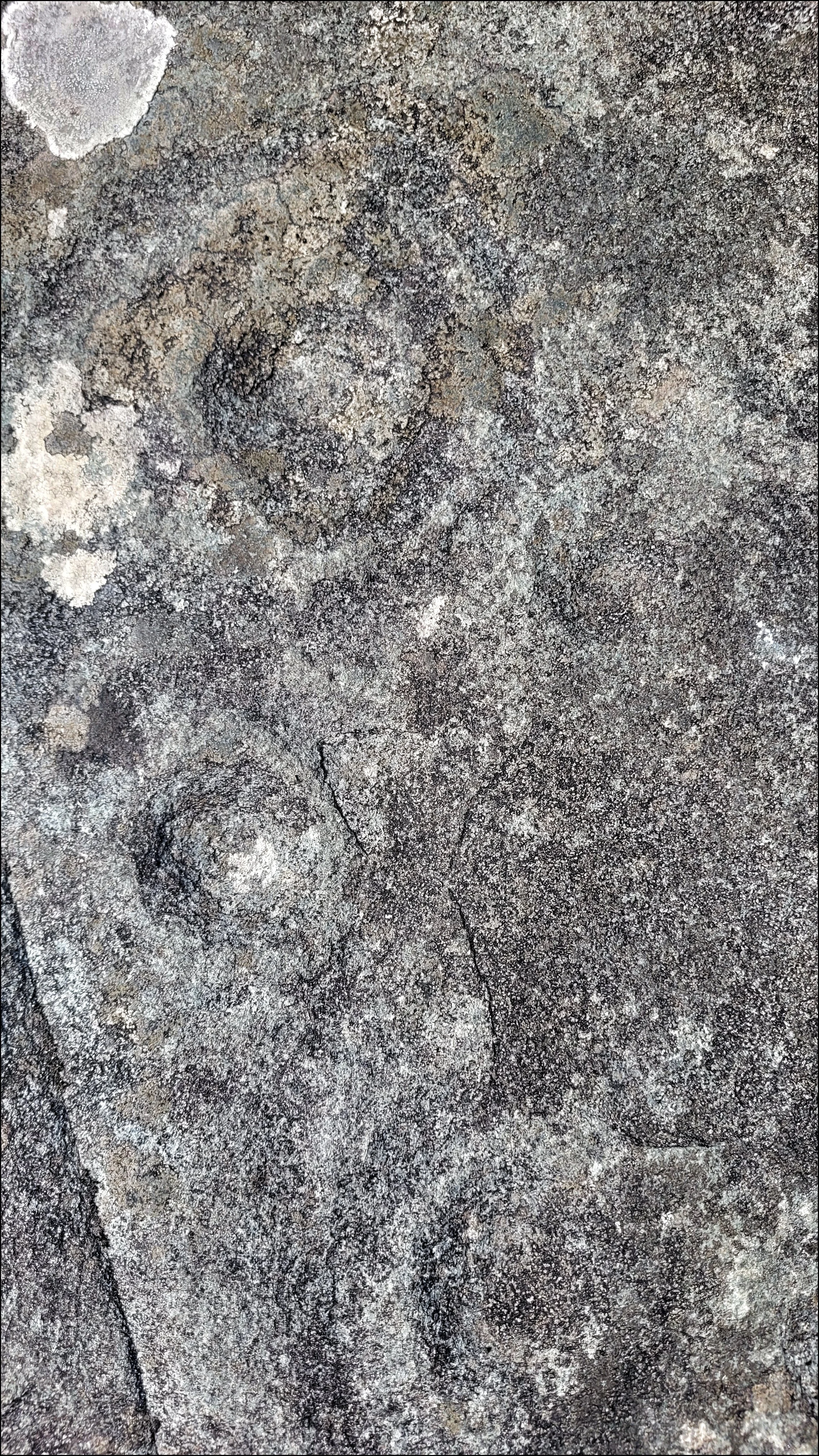
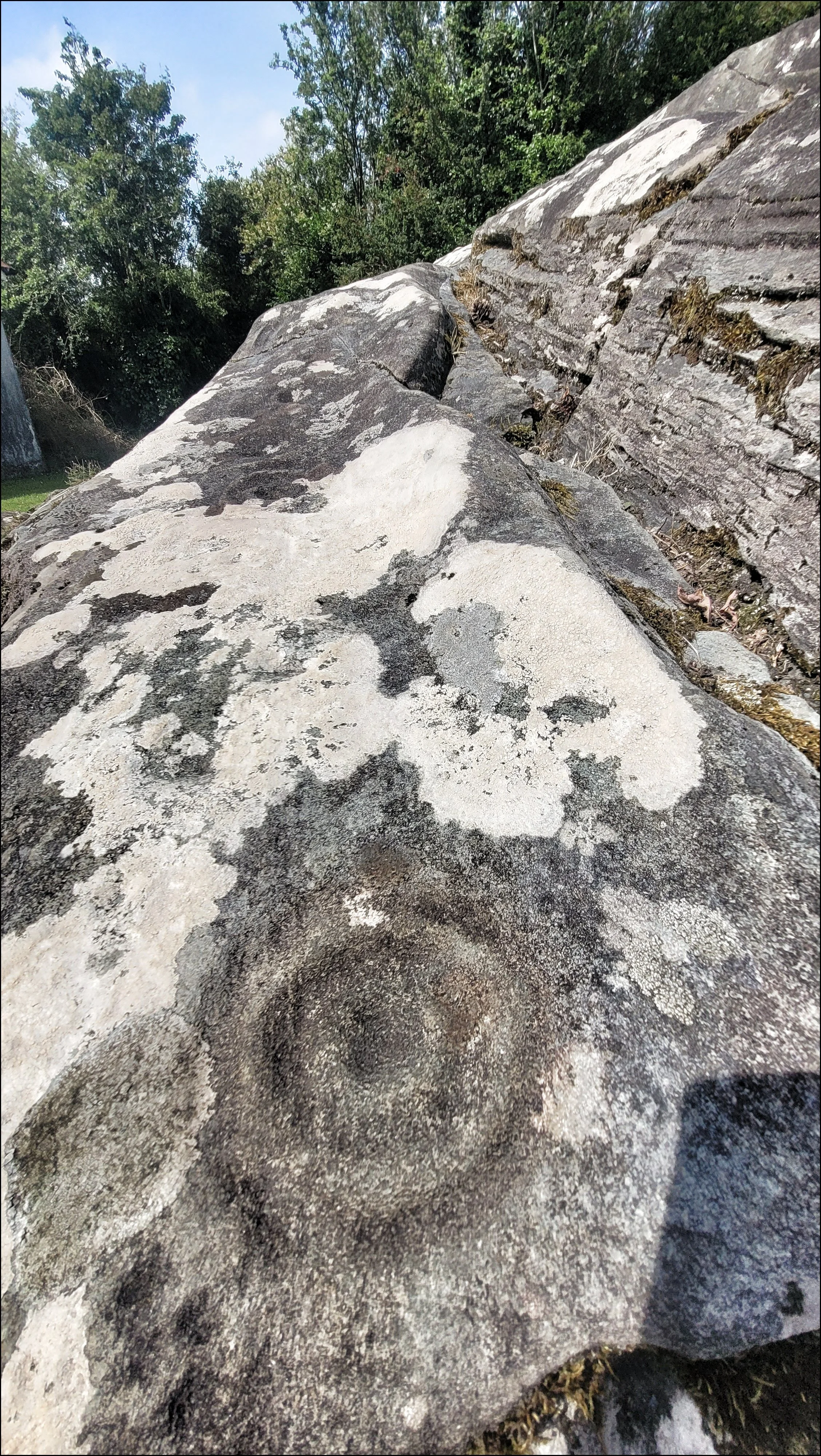
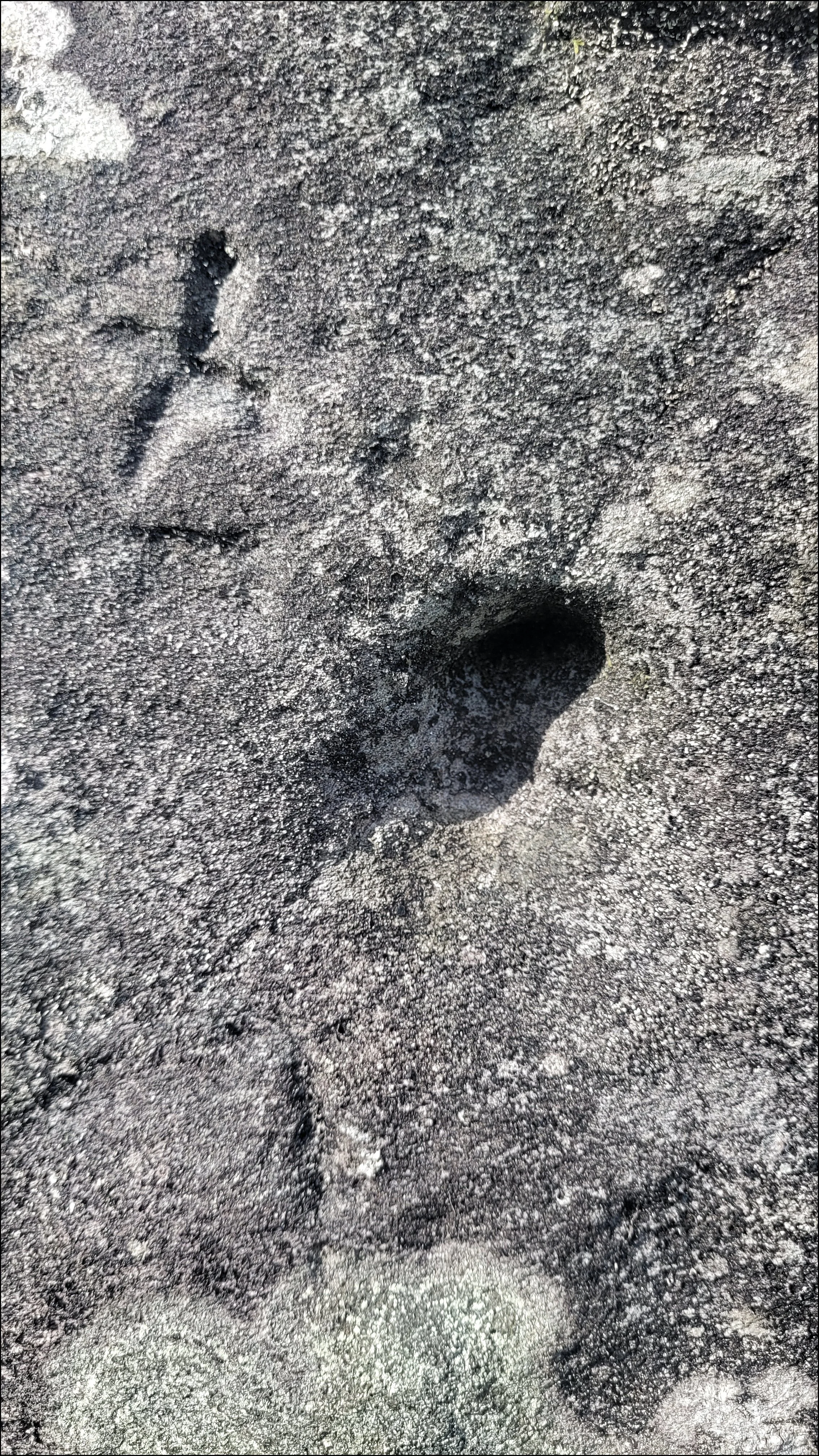
My journey starts in Connemara just south of Westport at the unassuming hamlet of Boheh. Around the back of a derelict building down a quiet lane is the Boheh Stone, an outcrop of limestone known locally as St Patrick’s Chair. The rock lies on a Pilgrim’s route which ends at the summit of Croagh Patrick some eight kilometers off to the west. The rock would have been an ideal spot to sit and observe an April and August sunset where the sun appears to roll down the side of the conical mountain. The stone itself is important for another reason. On the various surfaces of it’s upper half are many cup and ring marks, inscribed key holes and a cross from a later period. There are supposed to be up to two hundred and fifty examples of early Bronze Age Rock Art here, but many are very faint and take some finding. The finest of them were on the south east corner away from the direction of the westerly winds.
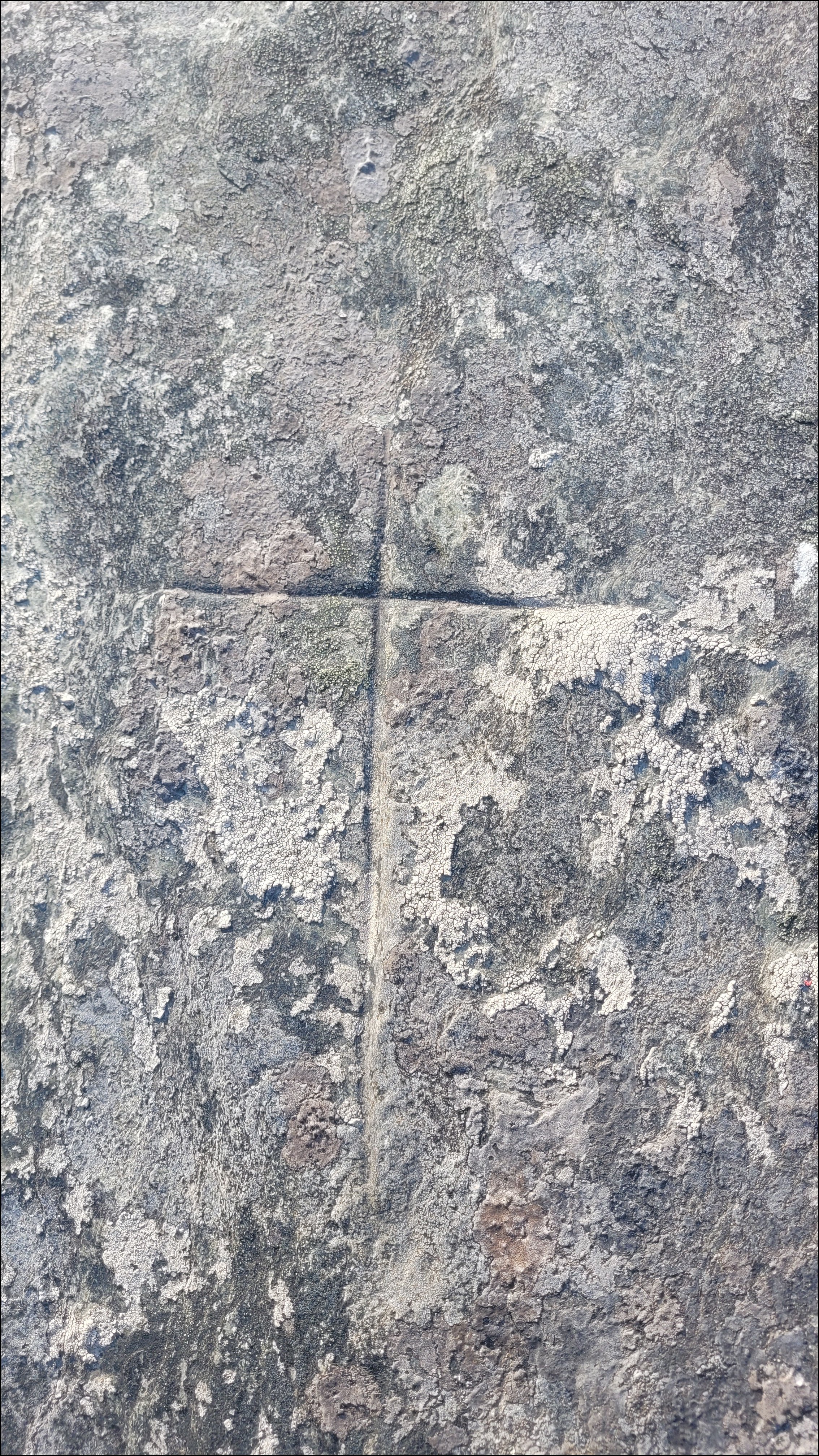
After a challenging walk up Croagh Patrick I found the wedge tomb of Srahwee beside the junction of two quiet roads west of the holy mountain. Despite it being sunken in a ditch and covered in fern and bramble, it has the distinction of being one of Ireland’s best preserved wedge tombs. The two walls of orthostats supporting the capstone had flat tops and were well jointed. Maybe this was a factor in how well it had fared over the millennia. Even with the boggy ground it rested on it looked well anchored, but it proved difficult moving around it with the soft and uneven ground. On the back upper surface of the capstone I could clearly make out a simple incised cross that was made during Ireland’s penal times in the 17th and 18th century. This was a time when catholic preaching was outlawed, and like at Boheh, this 2000BC monument had been requisitioned for christian worship. Ominously, Srahwee is in the lower reaches of the Doolough Valley where hundreds of people had lost their lives in the search for food during the famine.
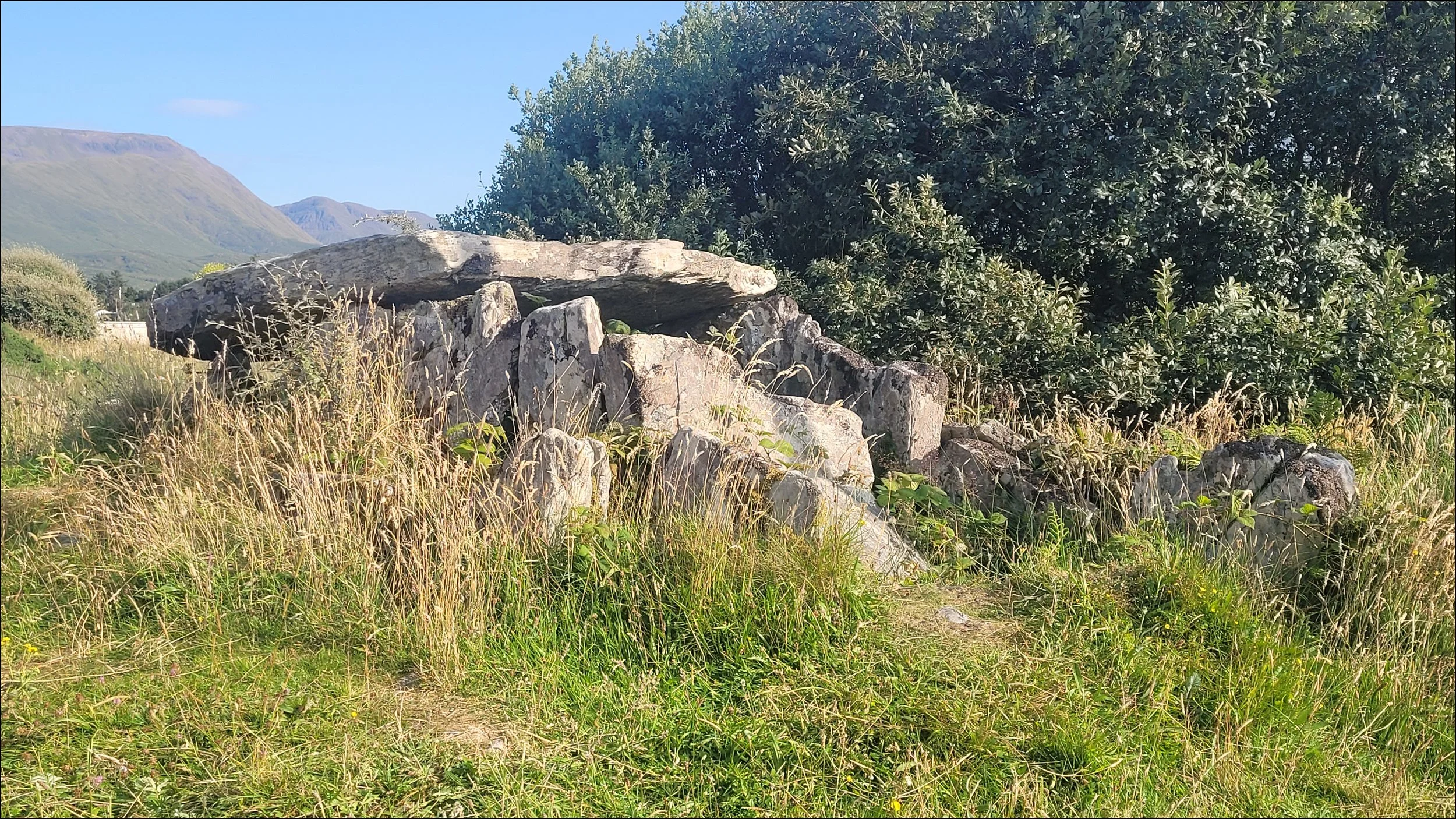
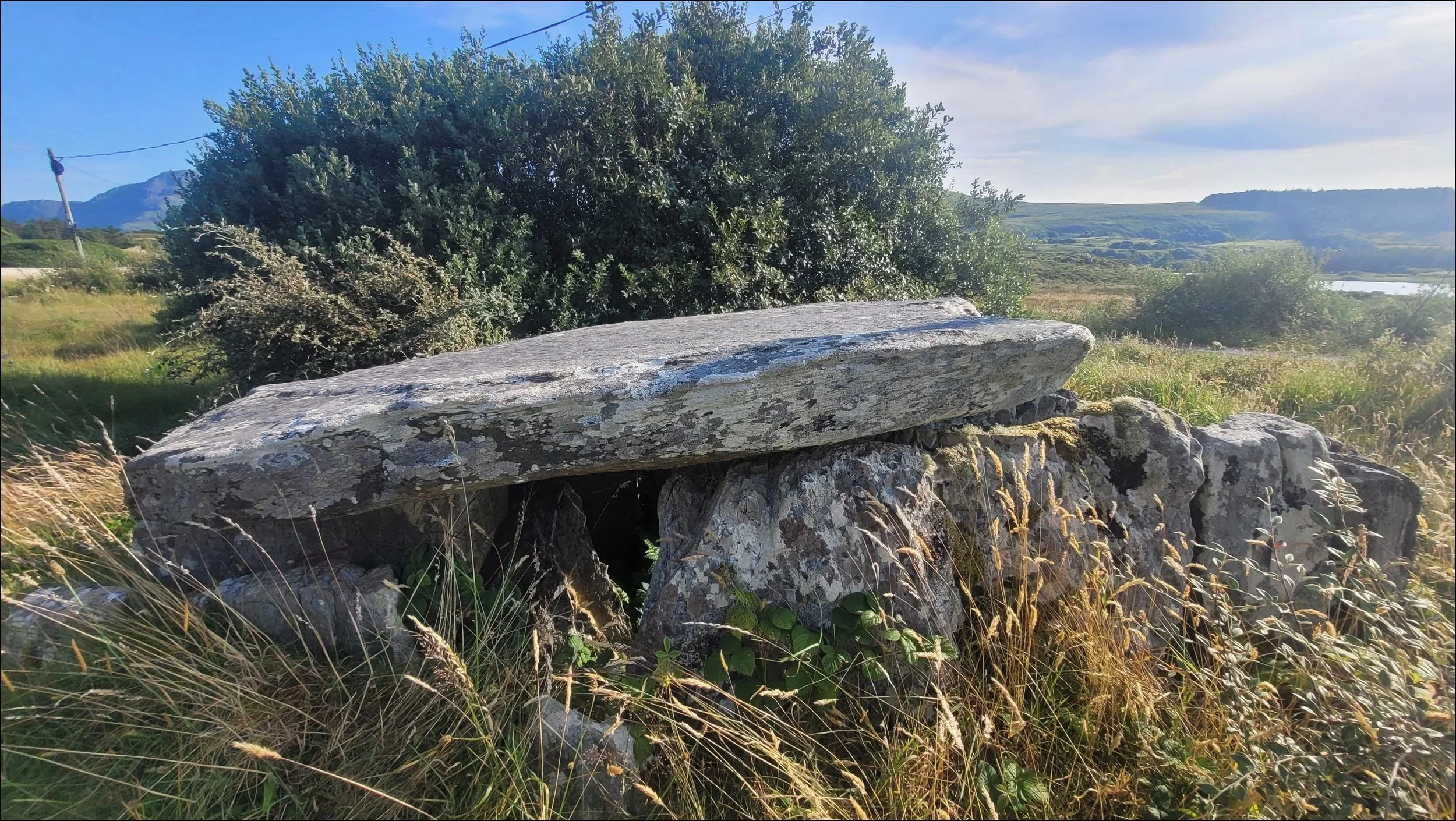
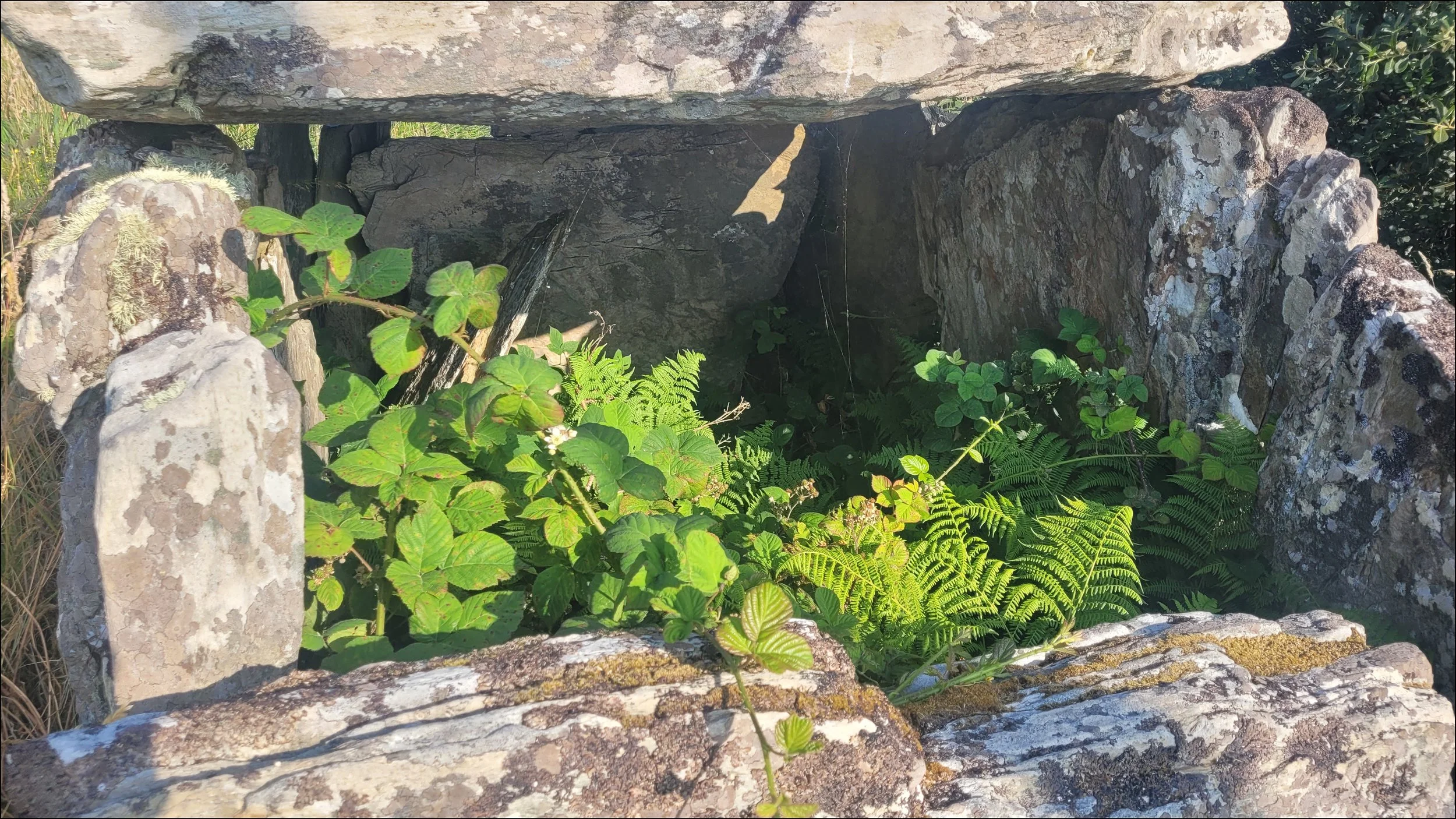
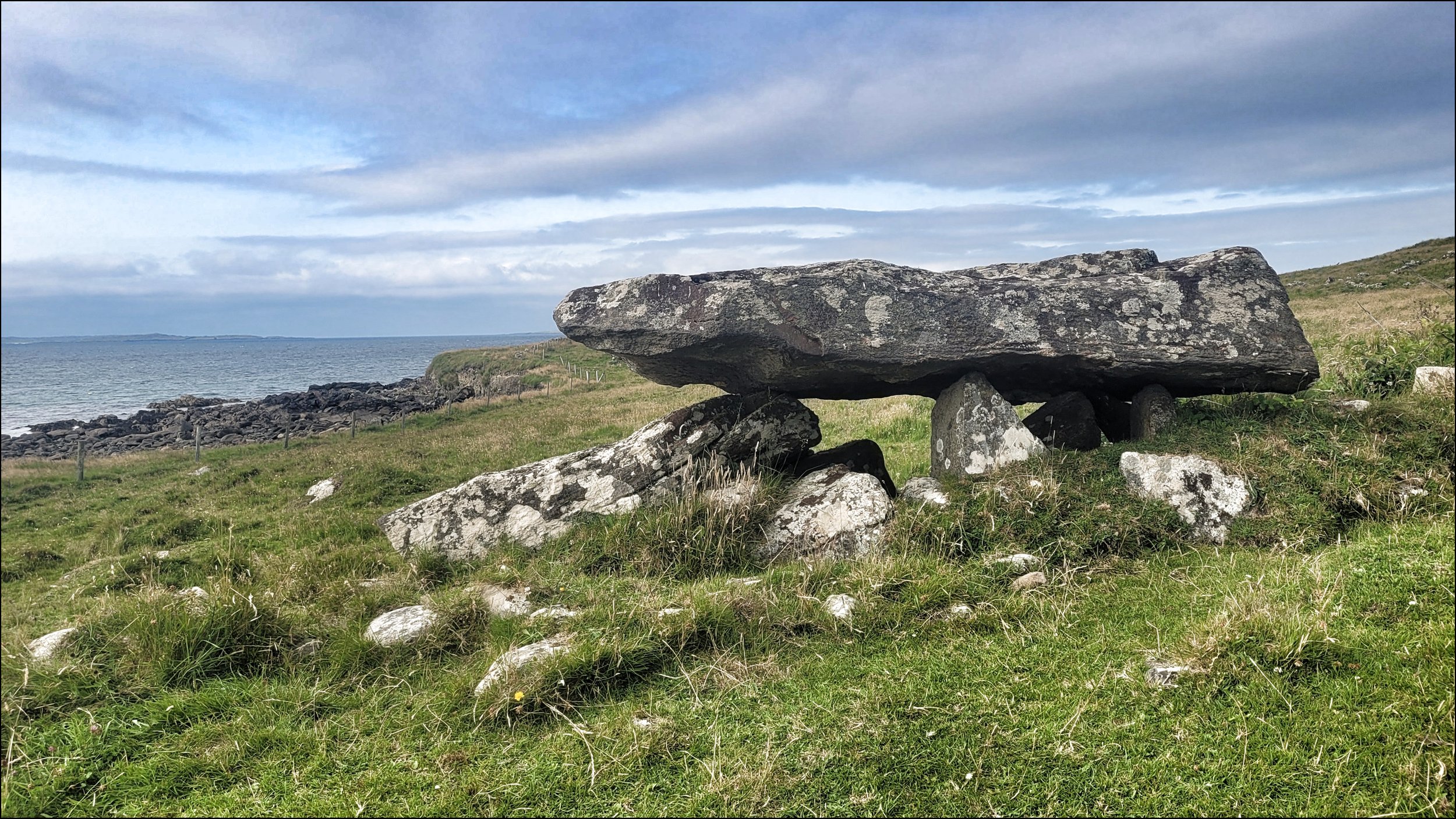
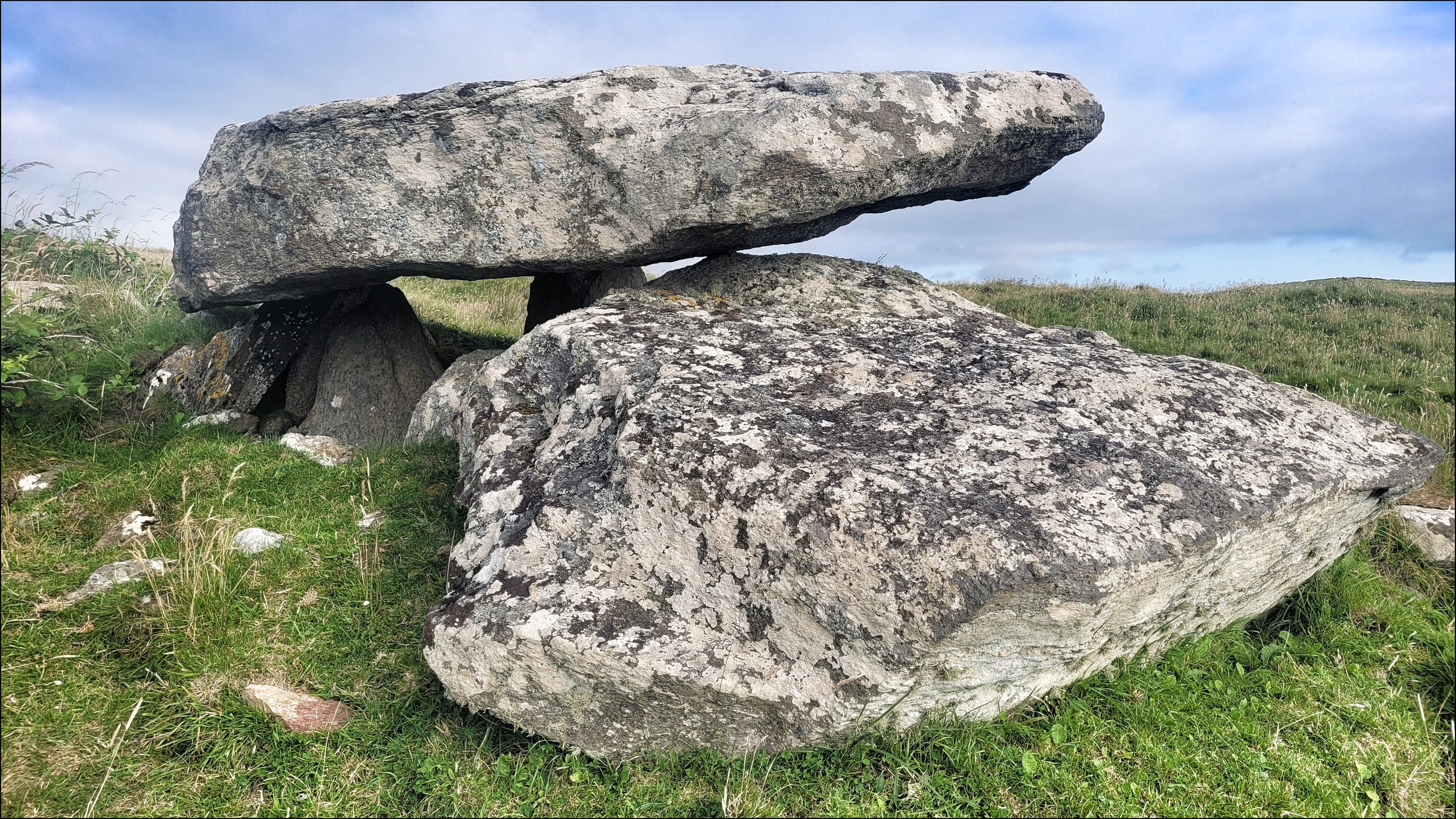
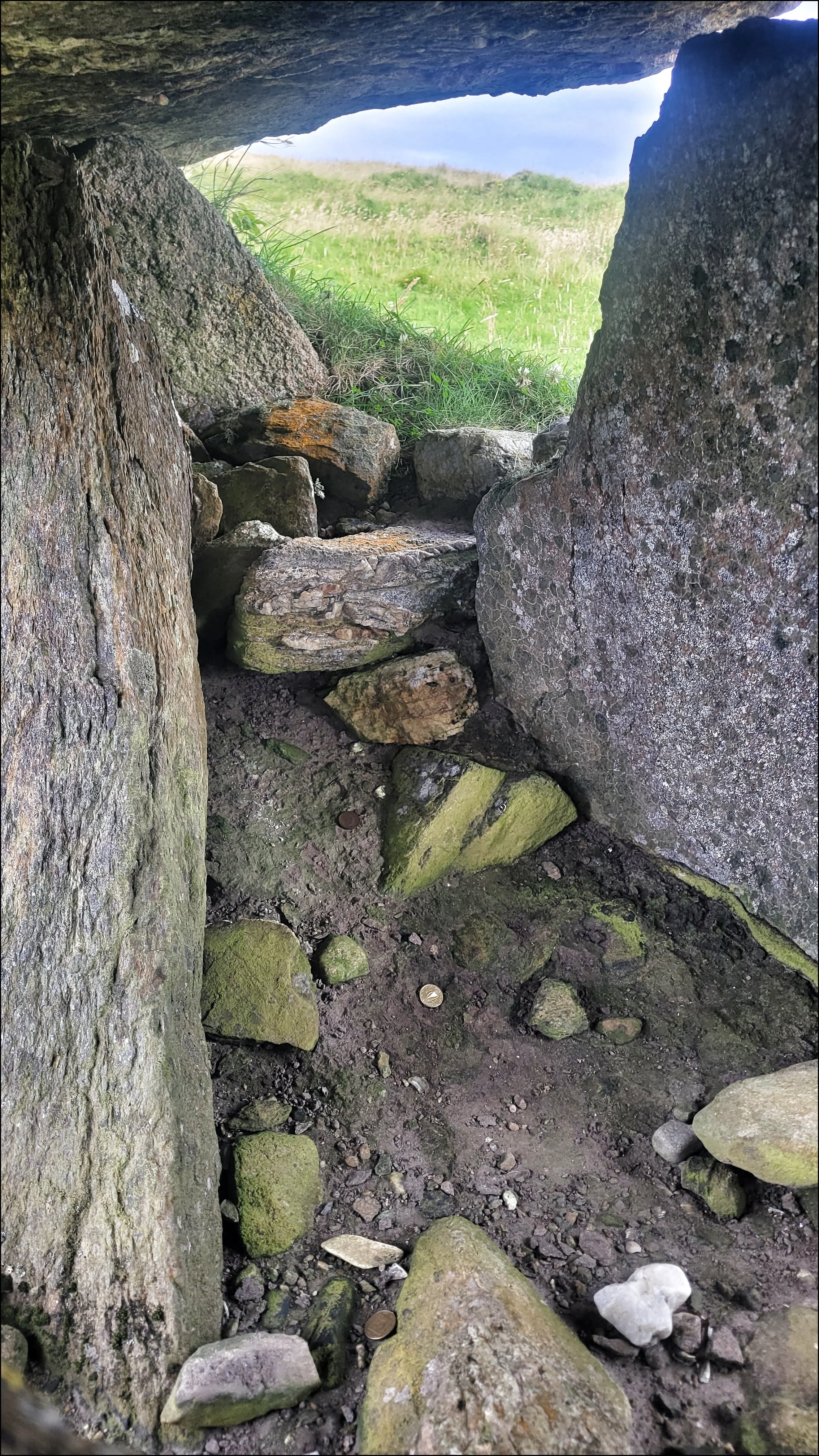
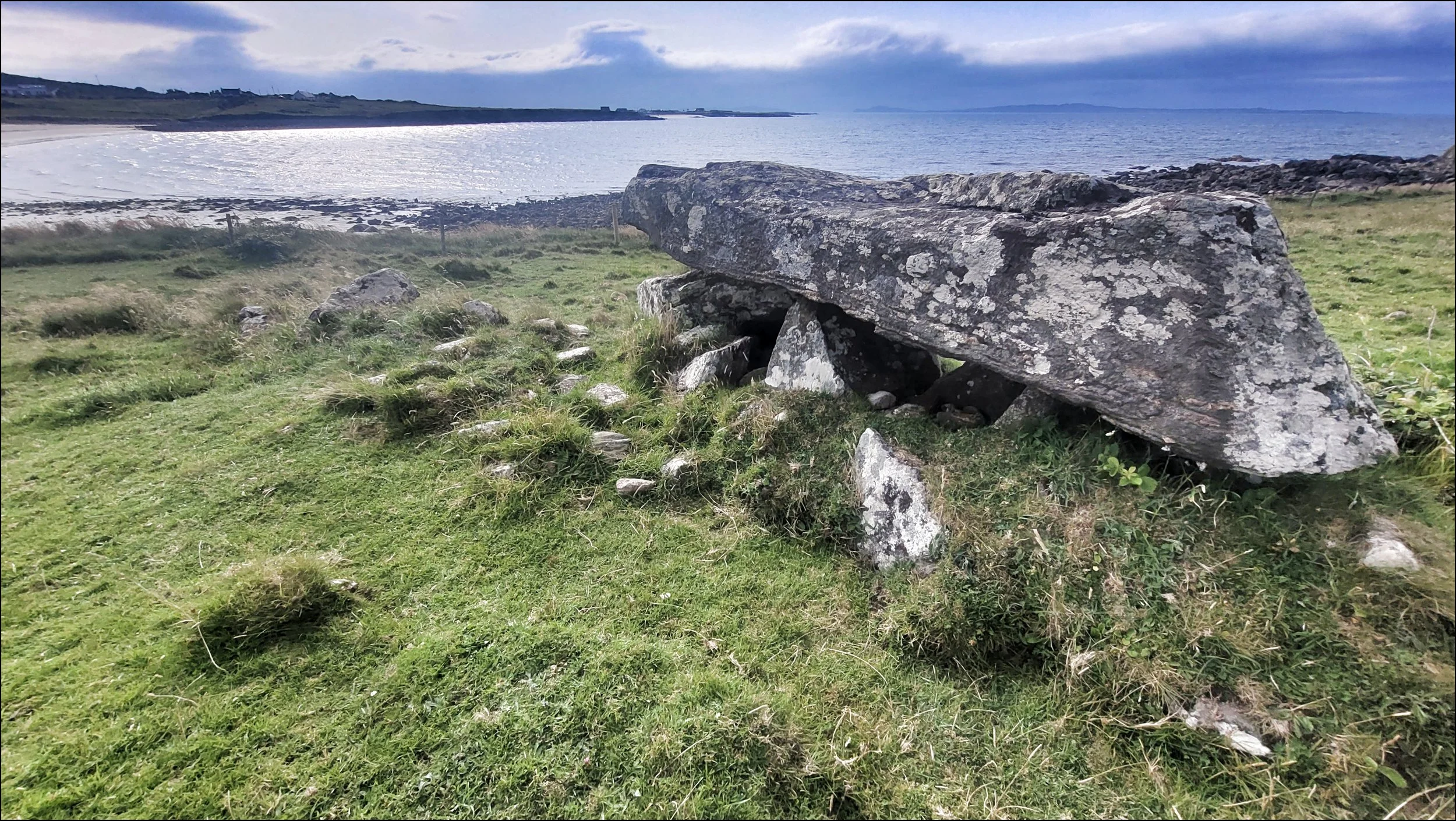
Sixty kilometers south west on the coast above deserted Sellerna Beach I found another tomb, but of different proportions. Knockbrack overlooking the Atlantic Ocean is accessed by walking along the beach and up the bank through a gap in a stock fence. The long narrow chamber, only a few feet wide and seven and a half feet long has four supporting stones and a thick slightly tilting roof stone. It points westward out towards the sea, propped up by a huge reclining stone that in itself resembles a capstone. Strangely in more recent times, all these stones had been incorporated into a boundary wall that was now in a worse state than the chamber. I found a comfortable stone to sit on to enjoy the westerly ocean view and an unusual soundtrack of waves gently lapping this Neolithic shoreline.